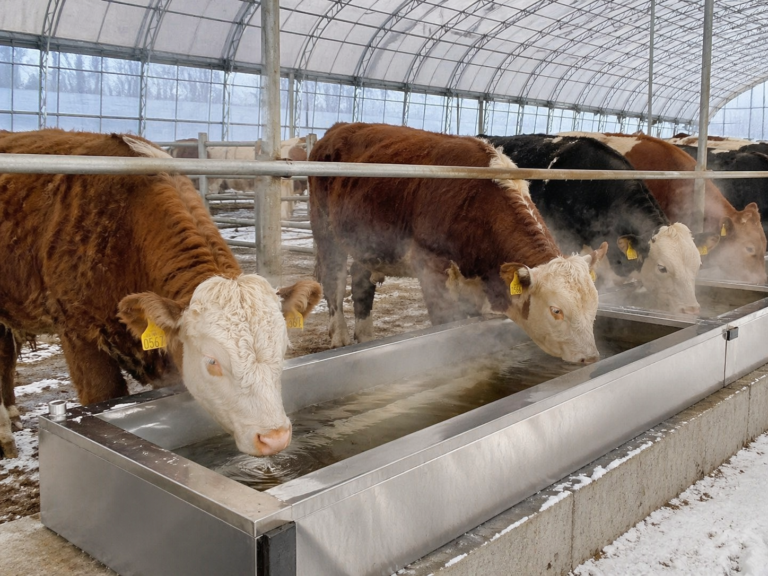
Common Problems Farmers Should Check
If you rely on a solar water heater for livestock, a cold trough in the middle of winter can quickly become a serious problem. Livestock need a steady supply of unfrozen water, and when a solar heating system stops working, it can affect animal health, daily routines and winter watering costs. This article covers the most common symptoms that show something is wrong, the likely causes behind them, and the safe first checks you can do on your own. It also explains when a problem is simple enough to fix yourself and when it is time to call a professional or consider replacing the system.
Common Symptoms That Indicate a Problem with Your Solar Livestock Water Heater
When a solar water heater for livestock starts to fail, it rarely stops working without warning. Paying attention to early signs can save you from a completely frozen watering point. The table below lists typical symptoms, what they often mean, and the first check that makes sense.
| Symptom | Likely Cause | First Check |
|---|---|---|
| Water not heating, even on sunny days | Dirty or shaded solar collector, pump failure, or air lock | Clean the collector surface and remove any shading |
| Water heats only weakly or late in the day | Undersized system, poor collector angle, or partial shading | Check that the collector faces true south and the tilt matches your latitude |
| Water freezes in the trough overnight | Insufficient thermal storage, failing insulation, or check valve leak | Inspect tank insulation and test the check valve |
| Reduced water flow to the trough | Frozen pipe, clogged filter, or pump running dry | Check pipe insulation and feel for cold spots along exposed lines |
| Unusual noise from pump or collector | Air in the system, loose mounting, or failing pump bearing | Bleed air from the circulation loop and tighten mounts |
| Visible water leak around storage tank or fittings | Cracked tank, loose connection, or failed pressure relief valve | Dry the area and watch where moisture reappears first |
Start with the Solar Collector — The Most Overlooked Check
The solar collector is the heart of any solar water heater for livestock. Even a small layer of dust, bird droppings, or snow can significantly reduce its ability to gather heat. Before diving into mechanical or electrical parts, always inspect the collector first.
- Clean the glazing: Use water and a soft brush to remove dirt, dust and debris. Avoid harsh chemicals that may damage the surface.
- Check for shading: New tree growth, stored equipment, or seasonal sun angle changes can shade the panel. Even partial shading drops output sharply.
- Inspect for damage: Look for cracked glass, broken seals, or bent absorber fins. Moisture inside the collector means a failed seal.
- Verify the mounting: Ensure the structure is secure. High winds or heavy snow can shift the angle, reducing efficiency.
Pump and Circulation Issues (For Active Systems)
Active solar water heaters for livestock use a pump to move heat transfer fluid or water between the collector and the storage tank. If this circulation stops, the system will not deliver warm water.
- Listen for the pump: A quiet pump may be stuck, air-bound, or not receiving power.
- Check the controller display: Error codes or blank screens often point to a power or sensor problem.
- Bleed air from the loop: Air locks are common after the system has been drained or refilled. Most systems have a bleed valve near the highest point.
- Test the pump power: Confirm the breaker or fuse is intact. A tripped GFCI outlet is a frequent cause in outdoor installations.
Storage Tank and Insulation Problems
A well-insulated storage tank keeps water warm through cold nights and cloudy stretches. When the tank underperforms, you often notice freezing in the trough even after a sunny day.
- Inspect insulation: Look for wet or compressed insulation, which loses its R-value. Rodents sometimes nest around tanks and damage the insulating jacket.
- Check tank temperature sensor: A misplaced or faulty sensor can cause the controller to misread the water temperature and shut off prematurely.
- Test the pressure relief valve: Lift the lever briefly (wear gloves) to see if water discharges. A valve that drips continuously may need replacement.
- Drain sediment: In hard water areas, mineral buildup at the bottom of the tank can reduce capacity and efficiency.
Piping, Connections, and Check Valves
Even a small pipe problem can break the entire circulation loop. Cold weather, UV exposure, and livestock movement all stress the plumbing.
- Check for frozen pipes: Feel along exposed lines, especially near fittings and low spots. Use an infrared thermometer if available.
- Inspect pipe insulation: Torn or missing insulation on outdoor sections allows rapid heat loss.
- Look for disconnected joints: Animals can bump fittings loose, especially around the trough.
- Verify check valve orientation: A backward or stuck check valve can let cold water backflow into the tank at night.
Electrical and Controller Warning Signs
Modern solar water heaters for livestock include controllers, sensors, and sometimes small pumps that rely on electricity. When the electrical part fails, the symptom may look like a frozen trough, but the fix is often simple.
- Read controller error codes: Many controllers flash codes for specific faults such as sensor failure or pump blockage. Check the manual for meanings.
- Inspect wiring for corrosion: Outdoor connections can corrode, especially if exposed to ammonia from animal waste.
- Reset breakers and GFCIs: Moisture can cause ground faults on rainy days. After drying the outlet, a reset often restores power.
- Test sensors: A simple resistance test with a multimeter can tell you if a temperature sensor has drifted out of spec.
When to Call a Professional or Replace the System
Farmers can safely handle many of the checks described above, but some problems need a trained technician or a full system replacement. Consider calling for help or planning an upgrade if:
- Persistent leaks: A leaking storage tank or collector usually means internal failure that patches cannot fix.
- Multiple component failures: If the pump, controller, and sensors all fail within a short time, the system may be at the end of its life.
- Severe corrosion: Rusted mounting hardware, pitted fittings, or corroded absorber fins reduce safety and efficiency.
- System age over 10–15 years: Typical solar livestock water heaters last a decade or more with maintenance, but after that point, repair costs add up quickly.
- Safety concerns: Exposed wiring, rooftop collector access without proper fall protection, or handling antifreeze fluids should not be done without proper training and equipment.
When replacing, consider whether a larger or differently configured solar water heater for livestock would better match your current herd size and winter conditions.
Preventive Maintenance Checklist for Solar Livestock Water Heaters
A short seasonal routine can prevent most emergency breakdowns. Use the checklist below to keep your system running reliably.
| Task | Frequency | Notes |
|---|---|---|
| Clean collector surface | Monthly, or after dust storms | Use water and a soft brush; avoid walking on the panel |
| Inspect pipe insulation | Monthly in winter | Repair tears with weatherproof tape immediately |
| Check pump operation | Monthly during use season | Listen for unusual noise and confirm flow at the return line |
| Test pressure relief valve | Every 6 months | Open briefly and let it snap shut; replace if it drips |
| Drain sediment from tank | Yearly | Flush a few gallons from the tank drain valve |
| Inspect mounting hardware and collector frame | Yearly | Tighten bolts and check for rust or bending |
| Check antifreeze level (closed loop systems) | Yearly before freezing season | Use a refractometer to confirm freeze protection range |
| Review controller settings and sensor accuracy | Yearly | Compare displayed temperature with a known thermometer |
Following these checks will help you catch small issues before they become winter emergencies, and your livestock will have the reliable water they need every day.
Frequently Asked Questions
Repair costs vary widely depending on the component. A simple sensor or check valve replacement might cost under $100 in parts, while a new pump or controller can run several hundred dollars. If the storage tank or collector needs replacement, the cost can approach the price of a new system. Always get a diagnosis first before ordering parts.
Yes, but you must size the system for the largest daily water demand. Cattle drink much more than sheep, especially in cold weather, so a system designed for a few sheep may not keep up with a herd of cattle. The trough heater’s heat output and tank volume should match the animal load and the local winter sun availability.
It depends on the system type. Closed-loop systems that use a heat transfer fluid require antifreeze rated for solar collectors. Drainback systems and some passive designs do not use antifreeze and rely on gravity or system design to prevent freezing. Check your owner’s manual to confirm whether your system needs a propylene glycol mix.
For systems not used in warm months, drain the collector and exposed piping to prevent stagnation and overheating. Cover the collector or set the controller to a “summer shutdown” mode if available. For drainback systems, ensure the reservoir has enough fluid for the next startup. Always consult the manufacturer’s shutdown procedure to avoid damage.
Basic checks like resetting a GFCI outlet or reading controller error codes are safe for most farmers. However, if you find corroded wiring, burnt components, or need to open a junction box, it is best to call an electrician or a solar thermal technician. Never work on a live circuit without proper training and equipment.
Many systems are installed with insufficient collector area or the wrong tilt angle. A collector facing even 30 degrees off true south can lose significant winter performance. Additionally, skimping on pipe insulation or placing the storage tank too far from the trough leads to heat loss that cancels out the solar gain. Working with a qualified solar installer who understands livestock operations is highly recommended.
In many climates, yes, if sized correctly and maintained properly. However, during extended cloudy periods or extremely low temperatures, even a well-sized system may need a backup electric or propane heater to keep water from freezing. Design for the worst-case weather in your area, not just average conditions.
References
- University of Minnesota Extension guide to Managing Dairy Cattle Cold Weather
- University of Minnesota Extension guide to Heat Stress Dairy Cattle
- University of Minnesota Extension guide to Farmbytes Watering System Design Rotational Grazing
- Penn State Extension guide to Harmful Algal Blooms Safety Testing and Management Options
Related Guides in This Category
- Heated Horse Water Trough: What Changes by Animal Type and Farm Routine?
- Common Solar Horse Trough Heater Problems and What Farmers Should Check First
- Types of Heated Stainless Steel Water Bowl: Practical Options for Livestock Farms
- Types of Livestock Water Heater: Practical Options for Livestock Farms
- Heated Horse Trough: What Changes by Animal Type and Farm Routine?
- Common Automatic Horse Waterer No Freeze Problems and What Farmers Should Check First
- Types of Heated Watering Troughs: Practical Options for Livestock Farms
- Horse Trough Water Heater: What Changes by Animal Type and Farm Routine?
- Common Solar Powered Livestock Water Heater Problems and What Farmers Should Check First
- Horse Trough Heater: What Changes by Animal Type and Farm Routine?