
Livestock Housing, Barn & Animal Comfort Guides
Animal comfort is not a soft subject — it is measured in lying time, in somatic cell count, in daily gain and in how many animals are lame at the end of winter. A barn that is too warm in summer and too damp in winter will take production off every animal in it, regardless of how good the ration is. These guides cover ventilation, flooring, bedding, grooming and the barn fabric itself, with the emphasis on what actually changes animal behaviour rather than what looks tidy.
What these guides cover
- Barn ventilation and cooling
Air exchange, fan placement, evaporative cooling and heat stress — the largest group of guides in this topic, because it is the largest problem. - Rubber mats, flooring and slatted floors
Grip, cushioning and drainage; what flooring does to hoof health and lying time. - Cow cubicles, freestalls and bedding
Cubicle dimensions, neck rail position, and why cows stand in a stall instead of lying in it. - Livestock brushes and grooming
What a cow brush is actually for, and what changes in the herd once one is installed. - Barn doors, curtains and roll-up systems
Controlling the opening: sliding doors, roll-up doors and curtain sidewalls compared.
Start here
- Heat Lamp Wattage Guide: 150W vs 200W vs 250W for Piglets, Chicks, Lambs
The most practical starting point for anyone raising young stock through cold weather. - Roll-up Door vs Barn Curtain vs Sliding Barn Door
Three ways to close an opening, with very different consequences for ventilation. - What Is a Cow Brush and Why Do Cattle Use It?
Short, and it changes how most people think about the cost of one. - Red vs White Heat Lamp for Pigs, Chicks, Lambs and Calves
A small decision that affects how animals rest under the lamp.
Ventilation is the first thing to fix
In most housing problems, air comes before everything else. Damp, still air carries respiratory disease, keeps bedding wet and keeps hooves soft; in summer, air speed over the animal is what removes heat once the shade is already there. The usual order of work is: open the building up as far as the climate allows, then control that opening with curtains or roll-up doors, then add fans for the days when natural airflow is not enough, and only then consider evaporative cooling. Adding fans to a building that cannot exhaust the air they move is spending money on noise.
Lying time is the number that matters
A dairy cow that lies down long enough produces more milk and stays sounder than one that does not, and almost everything in a housing system is either helping or preventing that. If animals are standing in cubicles, standing in the alley, or lying in the wrong place, the stall dimensions, the surface or the air are telling them to. Change the thing they are avoiding, not the animal.
The equipment behind these guides
Barn fittings, cooling, flooring and comfort equipment are fabricated to your building: see livestock shelter and barn essentials. Building dimensions and a photo of the inside are usually enough for us to suggest a layout.
All guides in this topic

Barn Cooling Systems
Barn Curtains for Livestock Houses and Dairy Barn Ventilation
- Common Thickness0.4mm, 0.45mm, 0.5mm, custom thickness

Livestock Shelter & Barn Essentials
Calf Hutch with Galvanized Fence and Feeding Bucket
- ModelYH-AF-L101
Livestock Shelter & Barn Essentials
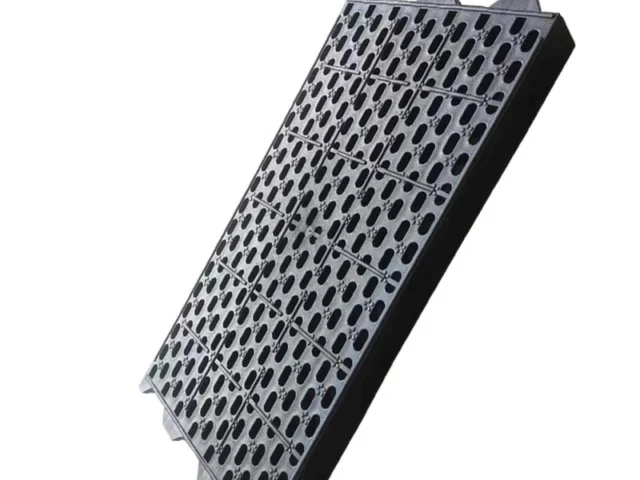
Calf Plastic Slatted Floor for Calf Pens and Barns


Cow Mattresses & Rubber Mats
Cow Cubicles and Freestall Loops for Dairy Barns
- Main MaterialHot-dip galvanized steel pipe
- Reference Size2100 × 1000 × 60 mm
Ask about equipment for this job
Send dimensions, quantity, photos or drawings. We reply within 24 hours on working days with a quotation or questions.