Your Trusted Source For Livestock Farming Equipment

Livestock Manure Handling Equipment

Manage farm waste efficiently with livestock manure handling equipment. Automatic barn scrapers, solid-liquid separators, compost turners, and slurry pumps. Reduce labor, recycle bedding, and produce valuable organic fertilizer.

What Is Livestock Manure Handling Equipment?

Livestock manure handling equipment automates the collection, separation, processing, and utilization of animal waste — turning a daily chore into a managed system that reduces labor, improves barn hygiene, and creates valuable by-products like recycled bedding and organic fertilizer.

In a conventional barn without automation, manure handling means manual scraping, hosing, and hauling — hours of labor daily. An automatic scraper system eliminates this entirely, keeping alleys clean 24/7 and reducing hoof disease and respiratory issues caused by ammonia buildup. A solid-liquid separator processes the slurry into stackable solids and nutrient-rich liquid.

At Jiansheng, our manure handling equipment is built for the corrosive, high-moisture environment of livestock barns. Stainless steel and hot-dip galvanized components resist rust and chemical degradation for years of reliable service.

Types of Manure Handling Equipment

  • Automatic Manure Scrapers
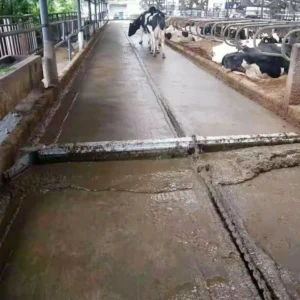
    Cable-driven or hydraulic alley scrapers that run on programmable timers. Keep barn alleys clean without manual labor.
  • Solid-Liquid Separators
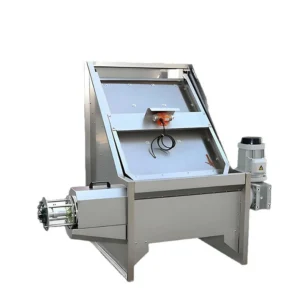
    Screw press or screen-type separators divide manure slurry into stackable solids and pumpable liquid.
  • Compost Turners
    Windrow turners for aerobic composting of separated manure solids. Produce pathogen-free organic fertilizer in 4–8 weeks.
  • Slurry Pumps & Mixers
    Electric or PTO-driven pumps for transferring liquid manure to storage or application equipment.

How to Choose Manure Handling Equipment

  • Barn Type & Layout: Free-stall barns benefit most from automatic alley scrapers. Tie-stall barns may be better suited to gutter cleaners.
  • Manure Consistency: Liquid systems suit operations with high washdown volume. Solid-heavy systems need different handling.
  • End Use of By-Products: If you want recycled bedding, invest in a solid-liquid separator and composter. If you want liquid fertilizer, focus on slurry storage and pumping.
  • Regulatory Requirements: Some regions require specific manure management practices. We can advise on equipment that helps meet local environmental standards.

Key Benefits of Automated Manure Management

  • Labor Elimination: Automatic scrapers replace hours of daily manual labor.
  • Better Herd Health: Cleaner alleys mean lower somatic cell counts, fewer hoof infections, and reduced respiratory issues.
  • Value from Waste: Composted solids sell as organic fertilizer or replace purchased bedding.
  • Environmental Compliance: Proper manure handling reduces runoff risk and helps meet regulatory requirements.

Frequently Asked Questions

How does an automatic manure scraper work?

A cable-driven scraper blade runs along the barn alley on a programmed timer — typically every 2–4 hours. It pushes manure to a collection point at the end of the alley, then retracts. The process repeats automatically, keeping alleys clean without any manual labor.

What can I do with separated manure solids?

Separated solids can be composted into organic fertilizer (saleable product), used fresh as bedding material (reducing purchased bedding costs), or dried and burned as biomass fuel.

Will a compost turner handle my herd’s output?

Compost turner capacity is measured in cubic meters per hour of windrow processed. We size the turner to your herd size and manure volume. A typical 200-cow dairy produces enough manure to justify a mid-size turner.

Related Livestock Equipment Systems

No equipment found in this category.