Cattle handling races & vaccination lanes
Open this practical guide topic for selection, setup, maintenance, and daily-use context.
Your Trusted Source For Livestock Farming Equipment
Your one-stop source for professional beef cattle equipment — heavy-duty squeeze chutes, handling systems, calf tools, and monitoring devices. All hot-dip galvanized, custom-fabricated to your yard layout.
Use these guide categories to compare selection, setup, maintenance, and daily use topics related to this equipment category.
Open this practical guide topic for selection, setup, maintenance, and daily-use context.
Open this practical guide topic for selection, setup, maintenance, and daily-use context.
Open this practical guide topic for selection, setup, maintenance, and daily-use context.
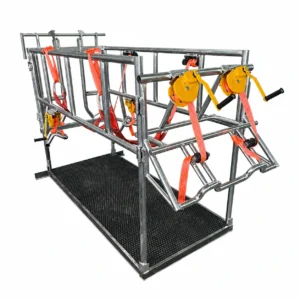
This cattle hoof trimming chute is designed for livestock hoof care, restraint and routine farm inspection. It helps secure the animal body, head and legs during hoof trimming, reducing manual handling pressure and improving operation safety. With a head gate, anti-slip platform, front hoof support, rear hoof lifting structure, waist belt and reinforced frame, it […]
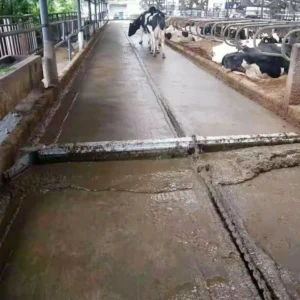
This manure scraper is an automatic barn cleaning system designed for cattle barns, dairy farms, horse facilities, donkey barns, mule barns and large livestock farms. It uses a drive unit, chain or traction structure, control cabinet and scraper blade to move manure through a closed-loop alley cleaning path and collect manure into a channel or […]
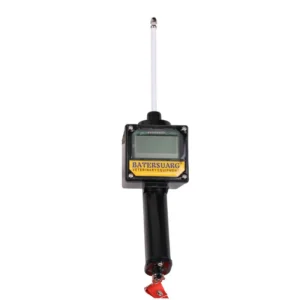
This animal ovulation detector is a handheld breeding management tool for pigs, cattle, sheep, horses, donkeys and other farm animals. It helps farms and veterinary breeding teams monitor estrus-stage changes, support ovulation timing decisions and improve breeding-window management. With a 405 mm probe, LCD display, automatic single-test operation and fast reading within 3 seconds, it […]
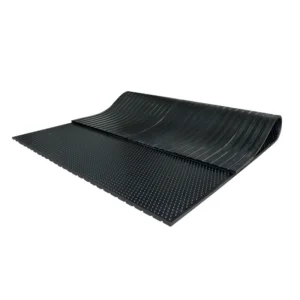
This cow mat is a rubber flooring mat designed for cattle barns, dairy resting areas, calf pens, horse stalls, pig houses, milking areas and livestock walkways. With anti-slip surface textures, flexible thickness options and customizable sizes, it helps improve floor comfort, reduce slipping on wet ground and create a cleaner, more manageable barn surface for […]
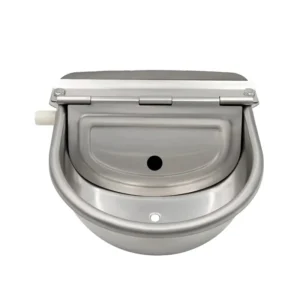
This automatic livestock waterer is a compact stainless steel drinking bowl designed for cattle, horses, sheep, goats, calves, donkeys and small farm drinking points. With a float valve water control system, the bowl refills automatically after animals drink and stops when the water level reaches the set position. Fixed cover, flip cover, drain outlet, filter […]

This cattle feed trough is made from stainless steel plate for cattle, sheep, goats, calves, horses, donkeys and fixed livestock feeding areas. Designed as a custom stainless steel feed trough, it can be configured for dry feed, forage, grain, wet feed or water use according to farm requirements. Length, width, height, trough depth, plate thickness, […]
This feed trough is made from PP polypropylene for sheep, goats, calves, cattle, horses, donkeys and mixed livestock farms. Designed as a lightweight plastic feed trough, it is suitable for daily feeding, group feeding, temporary feeding points and flexible barn layouts. Multiple lengths, round or square bottom styles, colors and support frames are available for […]
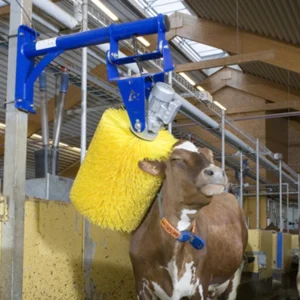
This cattle brush is designed for dairy barns, beef cattle farms, breeding farms, horse farms, mule farms, and large livestock facilities that need reliable grooming, scratching, massage, and animal comfort support. Built as a powered cow brush machine, it uses a rotating brush roller, motor, support frame, swing plate, and smart control board to help […]