
Feed pellet mills & on-farm feed processing
Open this practical guide topic for selection, setup, maintenance, and daily-use context.
Your Trusted Source For Livestock Farming Equipment
Take control of your livestock’s nutrition with feed processing equipment. Feed pellet mills, hammer mills, TMR mixers, silage cutters, and hay balers — produce your own feed, reduce costs, and optimize rations.
Use these guide categories to compare selection, setup, maintenance, and daily use topics related to this equipment category.
Open this practical guide topic for selection, setup, maintenance, and daily-use context.
Open this practical guide topic for selection, setup, maintenance, and daily-use context.
Open this practical guide topic for selection, setup, maintenance, and daily-use context.
Open this practical guide topic for selection, setup, maintenance, and daily-use context.
Open this practical guide topic for selection, setup, maintenance, and daily-use context.
Open this practical guide topic for selection, setup, maintenance, and daily-use context.
Make your own high-quality feed pellets for cattle, sheep, and horses with our range of electric and diesel pellet mills.
Process grains and feed ingredients with efficient hammer mills and feed grinders for consistent particle size.
Efficiently process silage and hay with silage block cutters and round balers for livestock feed.
TMR mixers for dairy, beef, sheep and goat farms, including vertical, horizontal and truck feed mixer options for uniform ration mixing and…
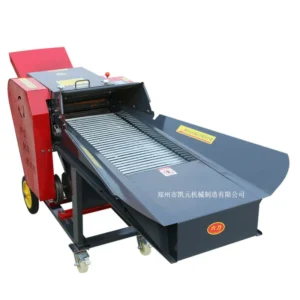
Chaff cutter machine for grass, straw, forage and silage feed processing. 220V/380V, 4.5–11kW options, 2800rpm and cutter-crusher functions.
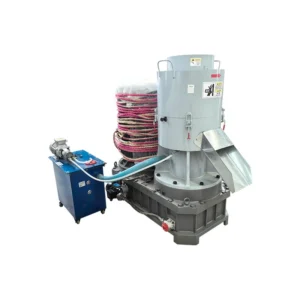
Livestock feed pellet machine with flat die structure for corn, bran, grass powder, straw and alfalfa. 100–1200kg/h reference capacity and 3–22kW options.
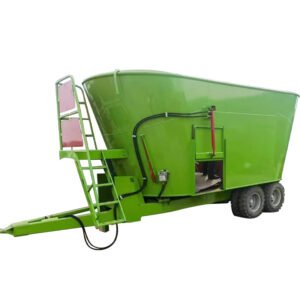
This truck feed mixer is a tractor-towed TMR feed mixer designed for cattle, sheep, dairy, and mixed livestock farms that need mobile ration mixing, weighing, transport, and discharge in one feeding route. With a trailed chassis, vertical mixing tub, hydraulic discharge, and weighing system, it can move between silage areas, barns, feed alleys, and different […]
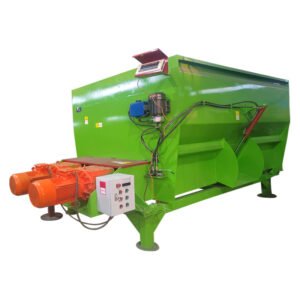
This horizontal feed mixer is designed for cattle, sheep, and mixed livestock farms that need fast TMR ration mixing with a compact twin-shaft structure. It can process chopped straw, silage, hay, grain, concentrate, and by-product feed ingredients. Models from 2m³ to 24m³ are available for family farms, medium operations, and larger feeding workloads. Why Choose […]
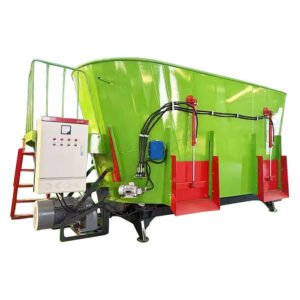
This vertical feed mixer is built for cattle and sheep farms that need reliable TMR ration preparation with strong roughage cutting, uniform mixing, and flexible batch capacity. It can process hay, silage, straw, grain, concentrate, and premix ingredients in one machine. Single-auger, double-auger, triple-auger, and four-auger models are available for different herd sizes and feeding […]