Skip to content

Built to order in our own factory · Worldwide shipping · Reply within 24 hours

Get a quote
Equipment category

TMR Mixers

Vertical and horizontal TMR mixers sized on the forage you feed and the loads you run per day, so the mixer is comfortable rather than permanently strained.

3
products in this category
Custom
sizes, materials and layouts
24 h
reply on working days

TMR Mixers products

Browse All Feed Processing Equipment 5 products

What Are TMR Mixers?

TMR mixers are feed preparation machines used to mix forage, silage, straw, grain, concentrates, minerals, and other ration ingredients into a more uniform total mixed ration. For dairy, beef, sheep, and goat farms, the right TMR feed mixer helps reduce feed sorting, improve ration consistency, and make daily feeding more efficient.

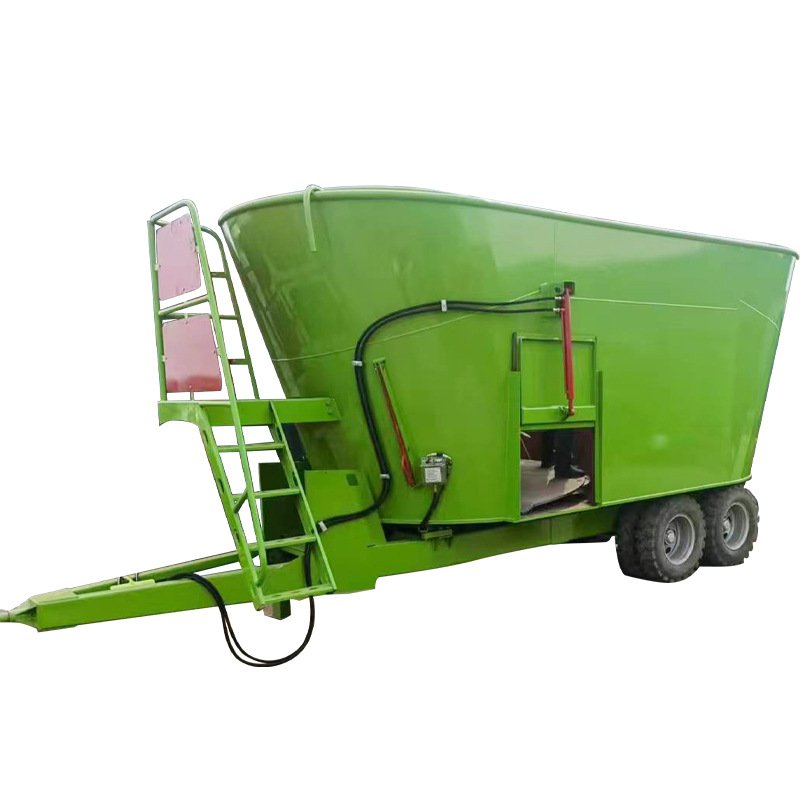
Different farms need different mixer structures. A small or medium farm may choose a compact vertical or horizontal feed mixer, while a larger dairy operation may need a mobile feed mixer wagon, truck feed mixer, or self-loading TMR system for loading, mixing, transporting, and discharge in one workflow.

At LivestockTechs, TMR mixer solutions can be matched according to your herd size, ration ingredients, barn layout, feeding route, power source, discharge direction, weighing system, and customization requirements.

Types of TMR Mixers

  • Vertical TMR Mixers
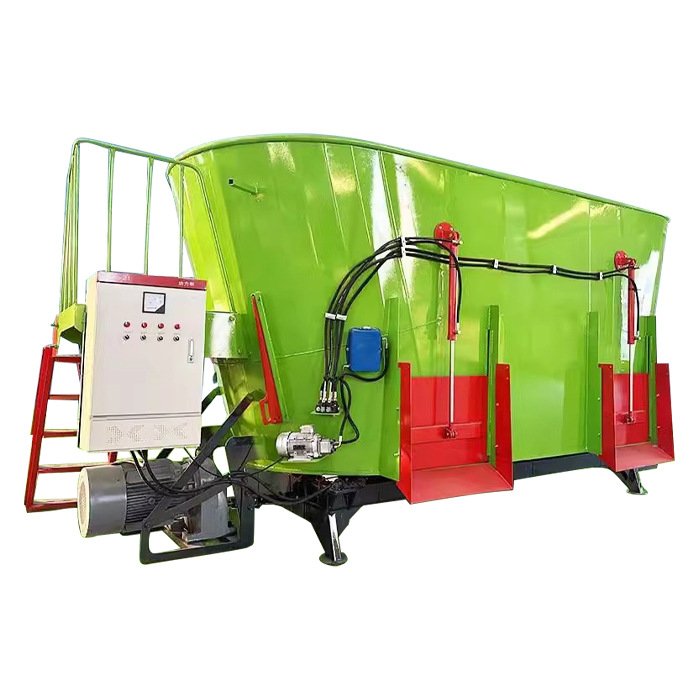
    A vertical TMR mixer uses one or more vertical augers to lift, cut, tumble, and mix forage and concentrate ingredients. It is commonly used for cattle and sheep farms that need strong roughage handling and uniform ration preparation.
  • Horizontal TMR Mixers
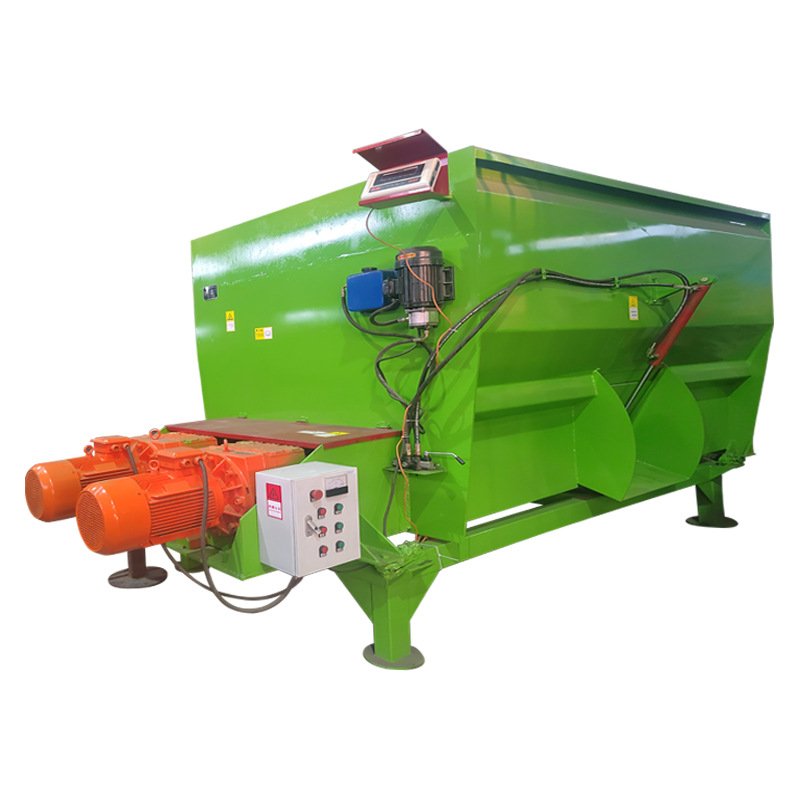
    A horizontal TMR mixer uses a horizontal mixing chamber with shaft, paddle, ribbon, or auger-style structures. It is suitable for farms that need fast feed blending, controlled discharge, and a practical mixing solution for chopped forage, silage, grain, and premix.
  • Truck Feed Mixers & Mobile TMR Mixer Wagons
    A truck feed mixer, trailed mixer wagon, or mobile TMR mixer is designed for farms that need mixing, transport, and feeding in one route. Depending on the configuration, it may support PTO drive, hydraulic discharge, weighing system, mobile chassis, or self-loading functions.
  • Stationary TMR Mixers
    A stationary TMR mixer is installed in a fixed feed mixing area or feed center. It is suitable for farms that use a centralized ration preparation workflow and then move the mixed ration to feed alleys by conveyor, feed truck, or other delivery equipment.

How to Choose the Right TMR Mixer

  • Ration Ingredients: Long hay, straw, silage, grain, concentrate, and premix may require different auger, knife, and chamber designs. Farms using more long-fiber forage usually need stronger cutting and mixing capacity.
  • Herd Size & Feeding Volume: Mixer capacity should match the number of cattle, sheep, or goats, daily feed volume, and how many batches you plan to mix each day.
  • Farm Layout: Narrow feed alleys, silage pits, barn entrances, and turning areas affect whether you should choose a stationary mixer, trailed mixer wagon, or mobile truck feed mixer.
  • Power Source: TMR mixers may use electric motors, tractor PTO, diesel power, hydraulic systems, or self-propelled drive configurations depending on the model and working environment.
  • Weighing & Discharge: For more accurate ration control, confirm whether the machine supports weighing sensors, digital scale display, side discharge, front discharge, rear discharge, or conveyor discharge.

Key Benefits of TMR Feed Mixing

  • More Uniform Ration: A TMR mixer helps combine forage, concentrate, and supplements into a consistent ration so animals receive a more balanced feed mixture.
  • Reduced Feed Sorting: Properly mixed feed can help reduce selective eating, especially when roughage and concentrate ingredients are blended evenly.
  • Better Feeding Workflow: Mixer wagons and truck feed mixers can combine mixing, transport, and discharge, reducing repeated manual handling in daily feeding.
  • Accurate Ration Control: Optional weighing systems help farms manage batch weight, ration consistency, and feed inventory more clearly.
  • Custom Farm Matching: Capacity, auger structure, blade type, discharge method, voltage, chassis, color, and branding can be matched to different farm layouts and export requirements.

TMR Mixer vs Feed Grinder Mixer

A TMR mixer is mainly used to prepare total mixed ration for livestock feeding. It focuses on mixing forage, silage, straw, grain, concentrate, and supplements into a balanced ration. A feed grinder mixer is more focused on grinding or crushing feed materials before or during mixing. Both belong to feed processing equipment, but they should normally be selected and compared as different product types.

Related Livestock Equipment Systems

01 — Guides

Guides on this topic

All Feed Processing & Feed Efficiency Guides

Frequently Asked Questions

What is a TMR mixer used for?

A TMR mixer is used to mix forage, silage, straw, grain, concentrate, minerals, and other ration ingredients into a total mixed ration for cattle, sheep, goats, and dairy farms.

Should I choose a vertical or horizontal TMR mixer?

Choose a vertical TMR mixer when roughage cutting, forage lifting, and large-batch mixing are important. Choose a horizontal TMR mixer when you need fast blending, practical discharge, and a compact mixing structure for chopped feed materials.

Is a truck feed mixer the same as a self-loading TMR mixer?

Not always. A truck feed mixer usually refers to a mobile or truck-mounted feed mixing and delivery machine. A self-loading TMR mixer includes a loading system that helps collect feed materials before mixing. The final wording should match the machine structure, power source, and loading method.

What specifications should I confirm before buying a TMR mixer?

Confirm mixer capacity, auger type, blade material, chamber thickness, power source, tractor horsepower requirement, weighing system, discharge method, machine dimensions, animal type, daily feeding volume, voltage, and customization needs.

All Feed Processing Equipment

Request a quote

Send dimensions, quantity, photos or drawings. We reply within 24 hours on working days with a quotation or questions.

Get a quote