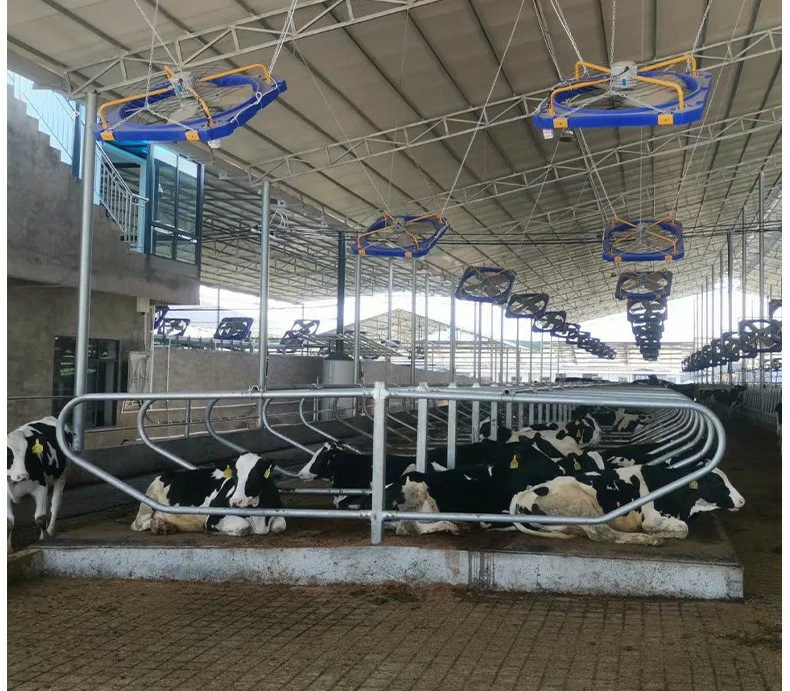
This article explains the drainage side of barn flooring: how texture, slope, groove design, bedding, traffic patterns, and cleaning routines work together to keep livestock footing solid and floors dry. It is written for farm owners, managers, and anyone who wants to improve existing barn conditions or plan new livestock housing.
Why Barn Flooring Drainage Matters for Livestock Health and Safety
Wet, poorly drained floors create multiple risks for cattle, horses, swine, and small ruminants. Standing urine and water soften hooves, increase the chance of foot rot and digital dermatitis, and spread bacteria that cause mastitis or respiratory issues. Slippery surfaces lead to falls, lameness, and injuries, especially in alleys and holding areas where animals move under pressure.
Effective barn flooring drainage is not just about removing water; it is about directing moisture away from the animals’ standing and walking zones quickly and consistently. When water lingers, it mixes with manure, creates ammonia odors, and reduces traction. According to the Dairy Housing and Equipment handbook (MWPS), proper drainage combined with surface texture is essential for reducing slip hazards and maintaining hygiene in livestock buildings. A floor that drains well also reduces the labor needed for scraping and bedding, because moisture does not accumulate in low spots or saturate bedding material.
How Surface Texture Affects Barn Flooring Drainage
Surface texture determines how water moves across a floor and how quickly it reaches a drain or exit. A completely smooth concrete finish may look tidy, but it often holds a thin film of water that makes hooves slide. Without roughness or grooves, water spreads out evenly and takes longer to evaporate or drain, even on a sloped surface.
In contrast, a textured floor uses deliberate roughness—such as broom finishes, stamped patterns, or grooving—to break up the water film. Small channels and peaks create low-resistance paths that guide water to collection points. This is why many livestock barns use concrete floors with a medium broom finish or diamond-groove patterns in high-traffic zones. The texture must be aggressive enough to provide traction and drainage, yet smooth enough to be cleaned without excessive scraping effort.
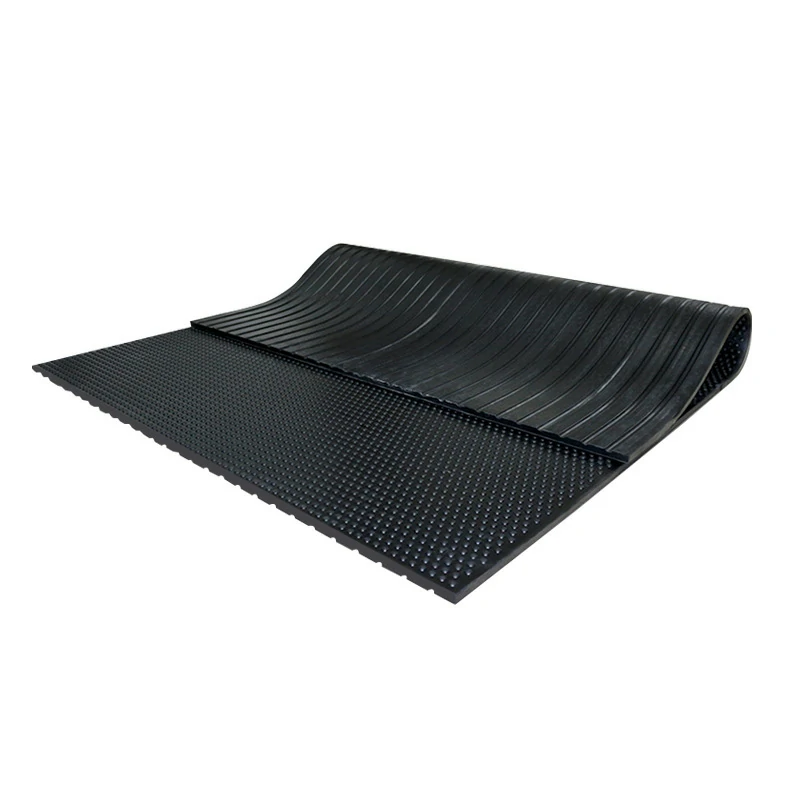
Our cow mats product page lists the standard dimensions, materials and options.
Slope and Drainage Direction: The Foundation of Wet Floor Control
Texture alone cannot overcome a flat floor. A minimum slope of 1–2% (1/8 to 1/4 inch per foot) toward drains, alleyways, or external gutters is the starting point for any functional barn floor. Without this gradient, even the best texture will leave water sitting in shallow puddles.
The slope must be consistent and lead water away from resting areas, feed bunks, and waterers. Drain openings should be located at the lowest point of each pen or alley, and transitions between different floor sections must not create backfall. When planning slope, also consider how scrapers or automatic alley cleaners will travel; the drainage direction should align with cleaning paths so that water and manure move together toward the same removal point.
Grooves, Patterns, and Texture Design for Better Drainage
Grooves and patterns serve two purposes: they improve traction and help channel water. The most common designs in dairy and beef barns are diamond or herringbone grooves cut into concrete. These patterns provide multidirectional traction and break large water sheets into smaller streams that follow the grooves toward the slope line.
The depth and spacing of grooves matter. Shallow grooves (1/8–1/4 inch) are enough for many cattle barns, while deeper grooves (up to 1/2 inch) are used in high-wash areas or swine facilities where floors are regularly hosed. Spacing between 1.5 and 3 inches keeps hooves from slipping between ridges without trapping excessive manure. Overly aggressive patterns can hold manure and become difficult to clean, so the design must balance drainage and hygiene. For barns with rubber mats, the mat surface itself often includes grooved or pebbled texture; these are only effective if the underlying concrete pad has proper slope and the mats are not sagging or pooling water underneath.
The Role of Bedding in Drainage, Traction, and Floor Longevity
Bedding is often thought of only for comfort, but it also plays a direct part in floor drainage. In bedded pack systems, bedding material absorbs moisture and must be regularly topped up to keep the surface dry. If bedding gets saturated and compacted, it blocks the underlying floor’s ability to drain, creating a chronically wet surface that harms hooves and produces ammonia.
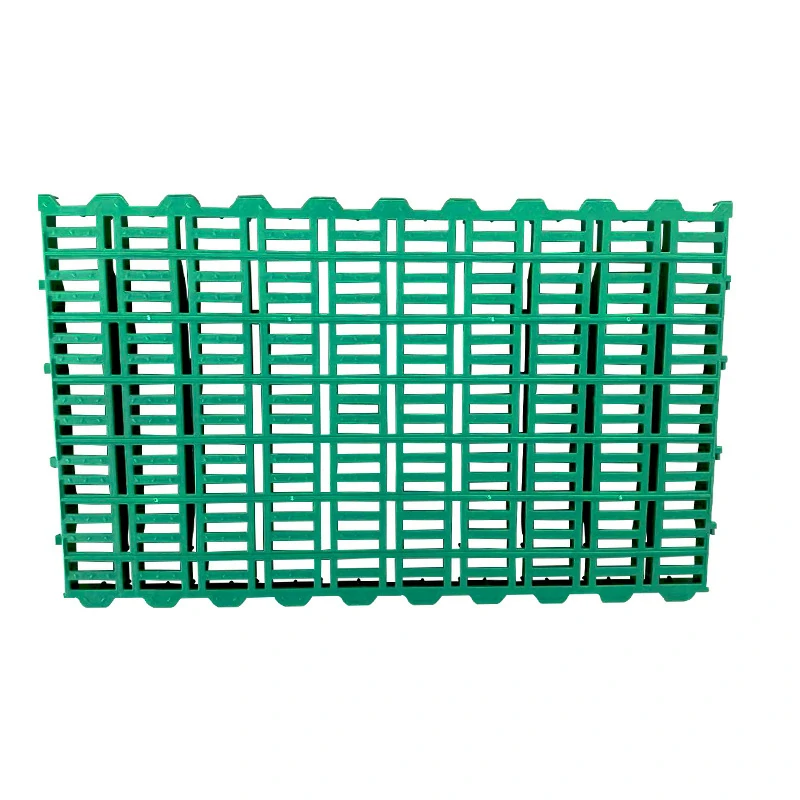
In slatted or grooved floors, bedding use needs careful management. Loose or lightweight bedding can clog drainage slots and grooves, causing urine to back up. The best practice is to match bedding type and amount to the floor’s drainage design. For animals lying directly on textured concrete, a thin layer of chopped straw or sawdust improves comfort without choking grooves. When using rubber mats, avoid over-bedding edges that flatten and block the slope direction.
How Traffic Lanes and Wear Patterns Change Drainage Over Time
Every barn floor wears down with use. High-traffic lanes—such as alleys to the milking parlor, feed alleys, and gate openings—lose texture faster than resting areas. When the original broom finish or grooves become polished smooth, water no longer has a defined escape path and starts to pool exactly where animals walk most.
This wear pattern creates a drainage problem that many farmers notice only after falls or lameness increase. Restoring drainage performance in worn areas usually requires re-grooving or re‑texturing, which is a more involved repair than simple cleaning. Monitoring wear patterns and addressing them early with re‑grooving extends floor life and keeps drainage functioning. In barns where abrasive materials like sand are used, wear accelerates and texture must be evaluated more frequently.
Cleaning and Maintenance Routines That Preserve Texture and Drainage
Daily scraping, washing, and manure removal affect how long floor texture lasts and how well drainage works. Harsh scrapers or metal blades can smooth out broom finishes and shallow grooves, turning a textured floor into a slick slab over several years. Rubber-edged scrapers and careful blade pressure help retain the intended surface profile.
Water used during cleaning should be managed so it does not overwhelm drains or flow into dry areas. After hosing, the floor should drain completely within 15–30 minutes if slope, texture, and drains are functioning correctly. Standing water after cleaning is a sign that texture is worn, drains are clogged, or the floor has settled. Regular inspection of grooves for manure buildup and checking drain function as part of weekly maintenance keeps the drainage system working without expensive repairs.
Common Mistakes When Planning Barn Flooring Drainage
Many barn drainage problems can be traced back to a few avoidable errors:
- Choosing a perfectly smooth finish for ease of cleaning without considering slip and drainage risk.
- Forgetting to slope the floor during new construction or ignoring settlement that flattens the slope later.
- Using groove patterns that are too shallow or too widely spaced for the animal species and cleaning method.
- Allowing bedding to block floor drains and grooves.
- Not adjusting cleaning tools when floor texture changes over time.
- Ignoring high-traffic wear zones until they become dangerously slick.
These mistakes are not failures of the flooring material itself but of the overall drainage design and daily management. The solution always starts with evaluating texture, slope, and maintenance together.
Choose Texture First, Not Just Appearance
Barn flooring drainage is something that farm owners can improve without a full rebuild by paying attention to the surface that water touches every day. Texture—combined with correct slope, appropriate grooves, sensible bedding use, and cleaning routines that protect the floor’s profile—is what keeps livestock safe and barns dry. A floor that looks rough may actually be performing better than a shiny, smooth one that sends animals sliding toward the fence. For every livestock barn, the decision should be function-first: texture before looks.
| Feature | Smooth Flooring | Textured Flooring |
|---|---|---|
| Drainage speed | Slow; water spreads and pools | Faster; grooves direct water away |
| Slip risk | High when wet | Low with proper pattern |
| Cleaning ease | Easy to scrape but can be slippery | More effort but safer after cleaning |
| Hoof wear | Excessive wear if uneven | Moderate with correct texture |
| Manure and urine pooling | Common in low spots | Minimized with slope and grooves |
| Best for | Dry storage or low-moisture areas | High-traffic livestock aisles, pens |
Barn Flooring Drainage Assessment Checklist
- Floor slope is at least 1–2% toward drains or outside areas.
- Surface texture is consistent and not worn smooth in traffic lanes.
- Grooves or patterns are deep enough to channel water but not trap manure.
- Bedding is used appropriately without blocking drains.
- Cleaning frequency matches animal density and moisture load.
- No standing water remains more than 30 minutes after cleaning.
- Floor joints and transitions are sealed or tapered to avoid low spots.
References
- University of Minnesota Extension cow comfort guide
- University of Minnesota Extension dairy lameness prevention guide
- Penn State Extension heavy-use area pads for cattle
Frequently Asked Questions
Why does barn flooring drainage matter so much?
Good drainage keeps lying and walking areas drier, reducing slipping, odor, bacterial buildup, and hoof problems. Surface texture cannot compensate for a floor that holds water and manure.
How does surface texture affect livestock safety?
Texture helps hooves grip wet surfaces, but it must not be so rough that it injures feet or so deep that it traps waste. The right texture balances traction and cleanability.
What signs show poor barn floor drainage?
Standing water, wet bedding, slippery alleys, strong ammonia smell, dirty udders, and soft hoof conditions all suggest drainage problems. These signs should be checked before changing flooring materials.
Can mats fix a drainage problem by themselves?
No. Mats may improve comfort and traction, but water still needs somewhere to go. Floor slope, channels, bedding, scraping, and ventilation must work with the mat surface.
What should be checked before changing flooring texture?
Check animal movement, cleaning method, manure type, slope, drainage outlets, and current slipping points. Texture should solve a real use problem, not just look more aggressive.