
Milking system basics
Underneath every parlour is the same system: vacuum to hold the cluster and draw milk, pulsation to let the teat rest, and a milk line to carry it away. Understanding those three makes every maintenance and troubleshooting decision easier. These guides cover how a milking machine works.
What to get right
- Vacuum level at the teat
Not the reading at the pump. Line losses are where teat condition problems start. - Pulsation ratio and rate
Pulsation is what stops the teat congesting. When it drifts, the damage builds quietly over weeks. - Liner condition and age
Liners are consumables with a service life measured in milkings. Running them past it costs more than replacing them. - Routine before technology
Preparation, attachment timing and takeoff do more for cell count than any upgrade.
Start with Types of Milking Explained and Types of Automatic Milking Systems. Equipment: dairy milking equipment.
01 — Newest first
All guides in this topic

Parallel Milking Parlors
Parallel Milking Parlor – Custom Stall Layout for Dairy Farms
- Stall ConfigurationParallel (Side-by-Side)
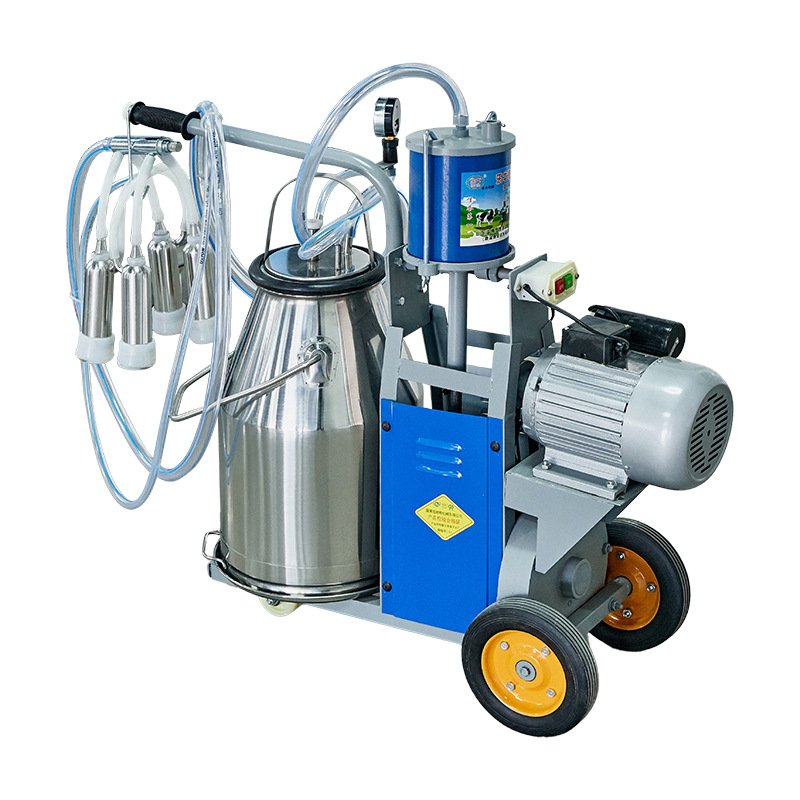
Portable Milking Machines
Piston Type Portable Milking Machine for Cow Goat and Sheep Farms
- Configuration TypeType I
- Voltage220V reference configuration
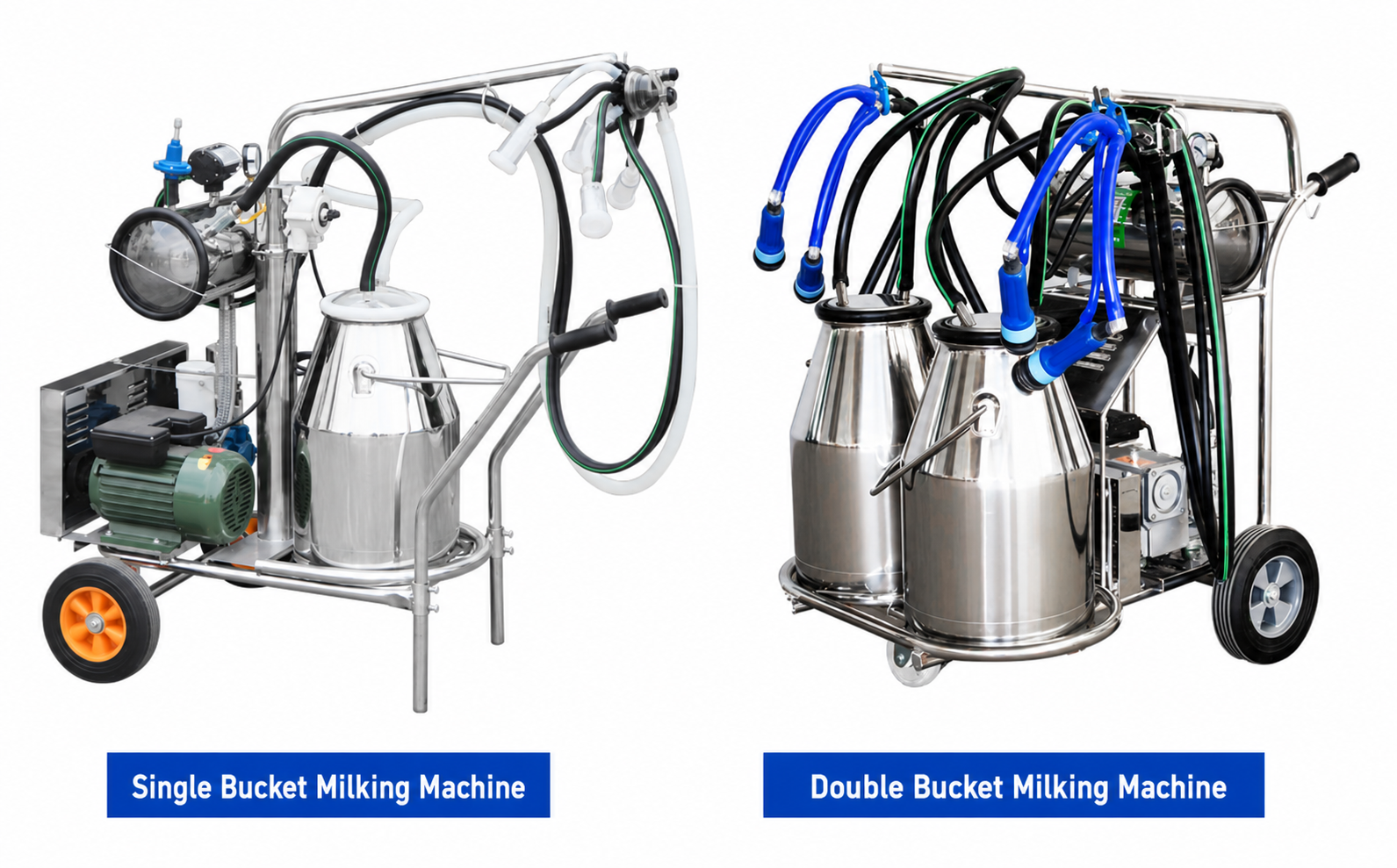
Portable Milking Machines
Vacuum Pump Portable Milking Machine for Cow Goat Sheep and Camel Farms
- Vacuum Pump ModelXD025
- Motor Power0.75–1.1 kW
Ask about equipment for this job
Send dimensions, quantity, photos or drawings. We reply within 24 hours on working days with a quotation or questions.