
Calf & Youngstock Rearing Guides
What happens to a calf in its first weeks sets its growth, its health and — in a dairy heifer — the age it enters the herd and how it milks when it gets there. It is also the stage where small equipment and routine decisions have the largest effect: colostrum timing, milk volumes, whether the pen stays dry, whether the calf can get out of the wind. These guides cover feeding, weaning and housing for calves and other young stock.
What these guides cover
- Calf feeding, weaning and growth
Colostrum, milk and milk replacer volumes, step-down weaning, starter feed and the transition to solid rations. - Calf and youngstock housing
Hutches and group pens, bedding, drainage and keeping young animals dry and out of draughts without sealing them in.
Start here
- Newborn Calf Feeding: Colostrum Timing and Amounts
The first hours matter more than anything else in this topic. Read this one first. - Bottle Calf Feeding Schedule: Volumes Week by Week
The most-read guide in this section — a week-by-week schedule you can work from. - Calf Feeding Chart: Milk Volumes from Day 1 to Weaning
The same information as a chart, if that suits how you work. - Which Calf Weaning Setup Fits Your Animal Type, Farm Size and Layout?
Weaning is as much a housing and equipment question as a nutrition one.
Three things that decide how a calf does
- Colostrum, and how soon.
A newborn calf cannot absorb antibodies for long. Everything after this — growth, disease, treatment costs — is affected by whether enough good colostrum went in early enough, and no later intervention fully makes up for missing it. - A dry lying area.
Calves tolerate cold far better than damp. Bedding depth and drainage under the bedding do more for calf health than closing the building up, which usually makes the air worse. - Clean feeding equipment.
Bottles, nipples and buckets are the most common route for scours to move through a group. The cleaning routine is part of the feeding system, not an extra.
The equipment behind these guides
Calf hutches, pen flooring, feeders and youngstock fittings are listed under livestock shelter and barn essentials, with feeding equipment under livestock feeders and feeding systems. Tell us how many calves and how they are grouped, and we will suggest a pen layout.
All guides in this topic
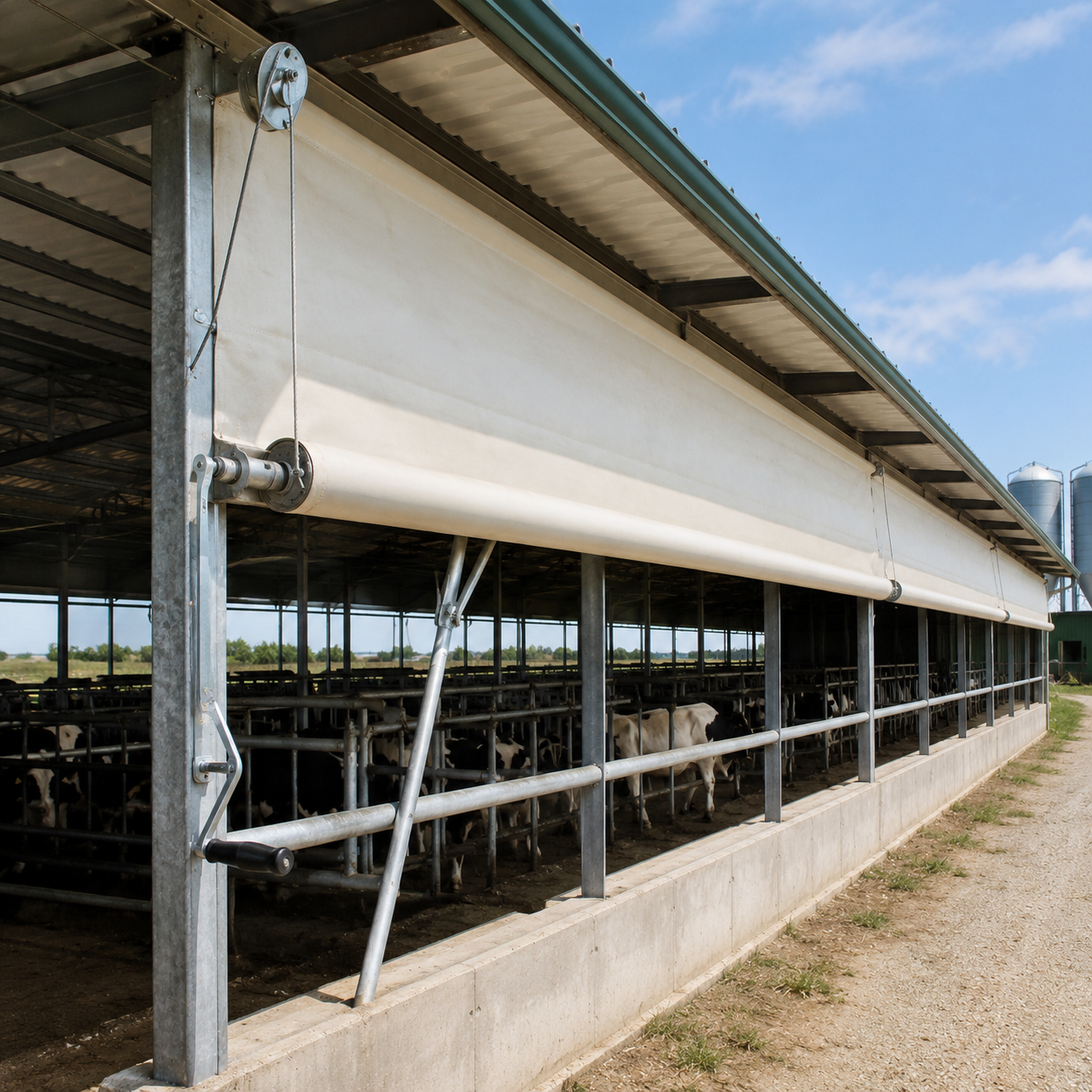
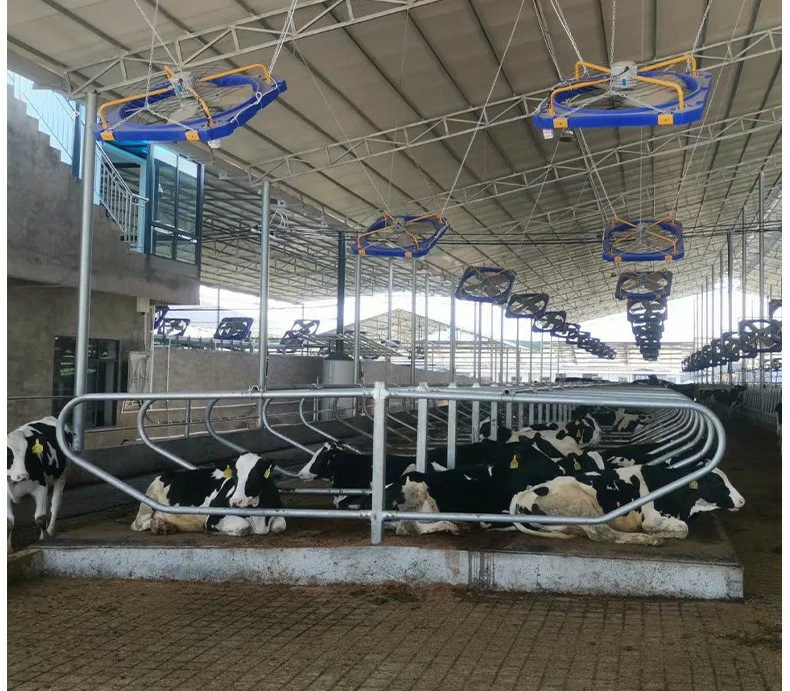
Barn Cooling Systems
Barn Curtains for Livestock Houses and Dairy Barn Ventilation
- Common Thickness0.4mm, 0.45mm, 0.5mm, custom thickness
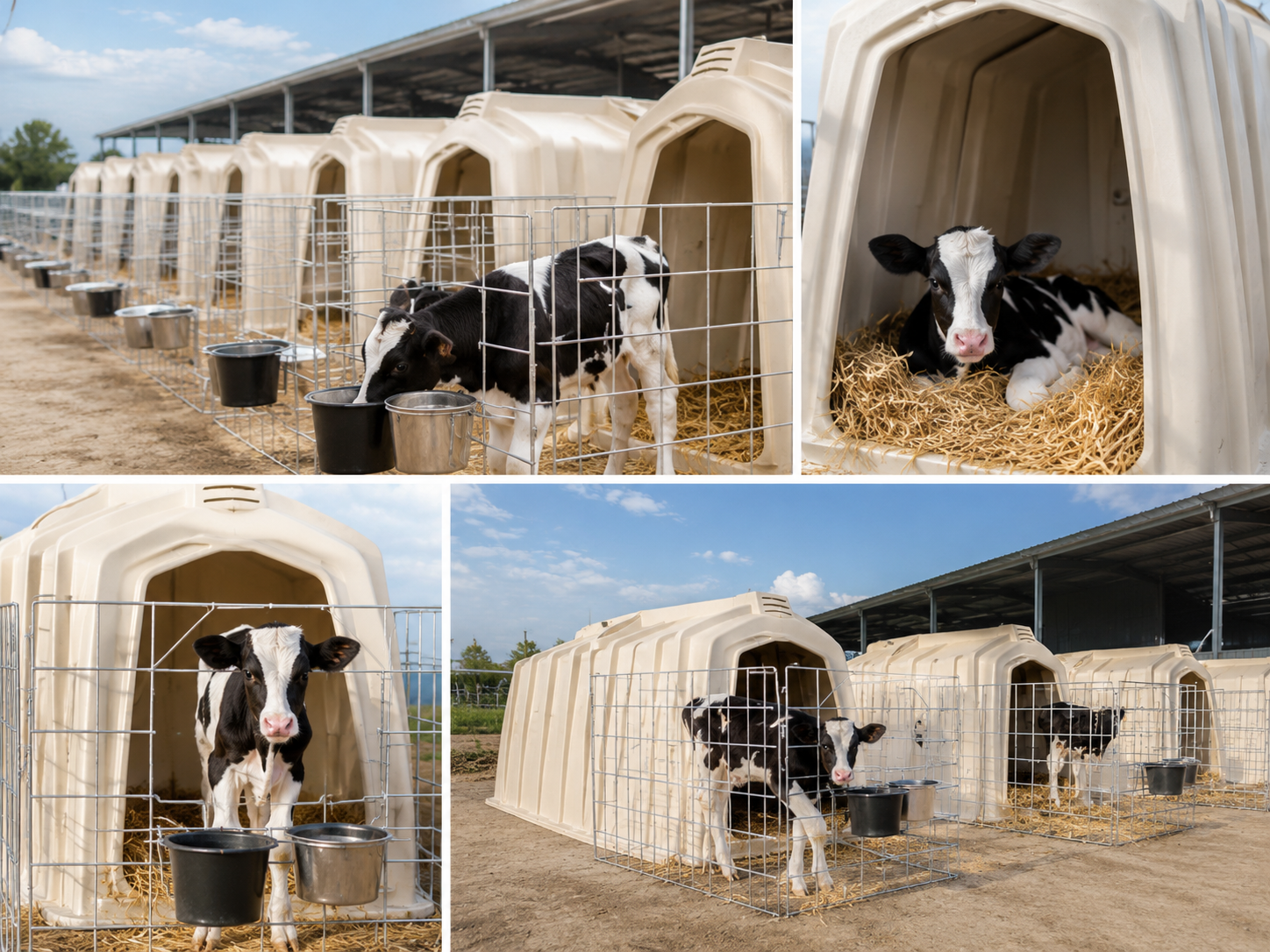
Livestock Shelter & Barn Essentials
Calf Hutch with Galvanized Fence and Feeding Bucket
- ModelYH-AF-L101
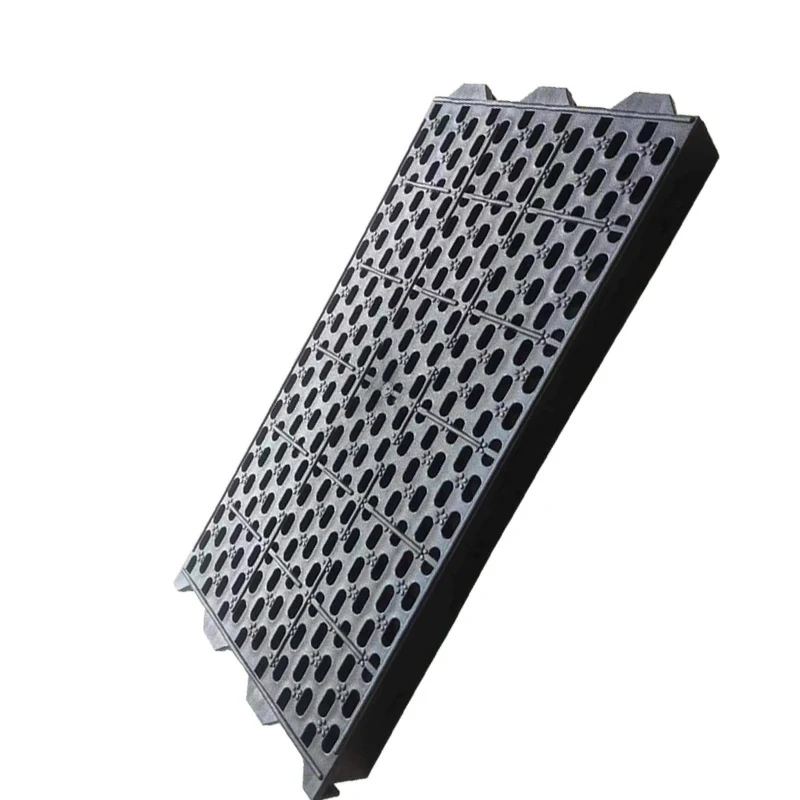
Livestock Shelter & Barn Essentials
Calf Plastic Slatted Floor for Calf Pens and Barns
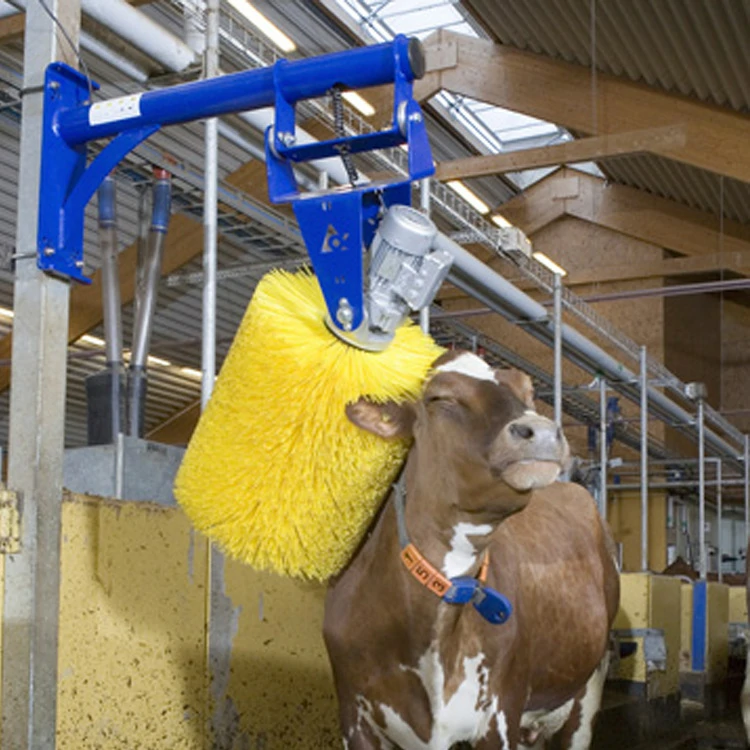
Cow Mattresses & Rubber Mats
Cow Cubicles and Freestall Loops for Dairy Barns
- Main MaterialHot-dip galvanized steel pipe
- Reference Size2100 × 1000 × 60 mm
Ask about equipment for this job
Send dimensions, quantity, photos or drawings. We reply within 24 hours on working days with a quotation or questions.