What Does “Best” Mean for Cattle Rubber Mats?
On a farm, “best” is never about a single feature. A mat that works perfectly in a dairy freestall may be a poor choice for a high-traffic alley. The real measure of the best rubber mats for cattle comes down to how well the mat supports animal safety, comfort, and farm efficiency in a specific area. Before comparing options, define your top priority: Is it preventing slips? Reducing leg fatigue? Simplifying cleaning? The most effective mat will align with your daily management tasks and the level of hoof pressure it must withstand.
Grip and Traction: Why Slippery Floors Are Dangerous
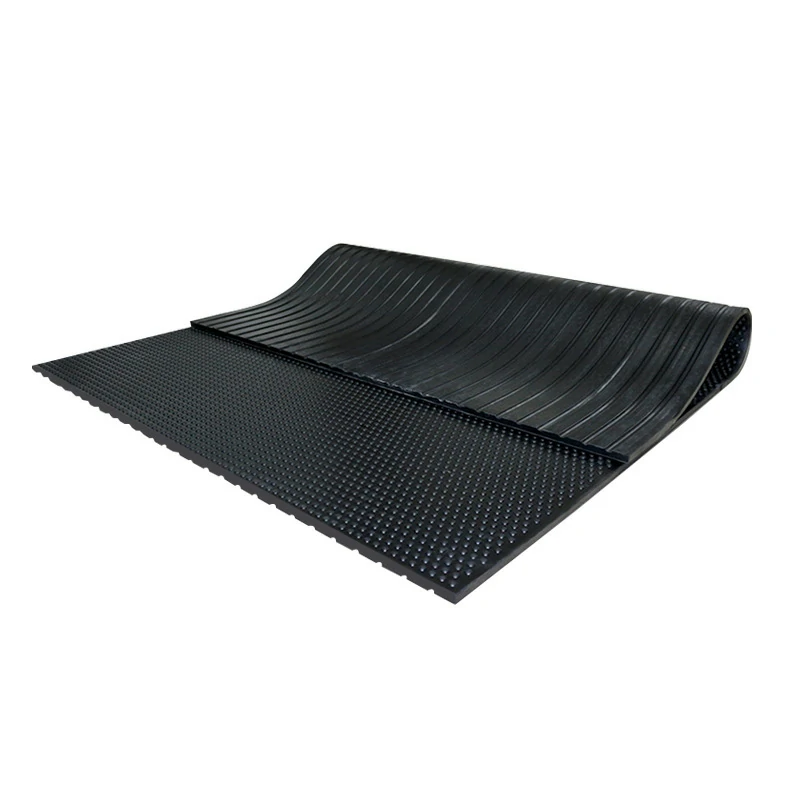
Slipping on wet concrete can cause serious injuries to cattle, from split hooves to falls that damage joints and bones. A mat’s surface design directly affects grip. Look for mats with a textured, studded, or grooved surface that channels moisture away from the hoof contact point. According to the Beef Cattle Housing and Environment Handbook (Chapter 4, p. 112), flooring surfaces in cattle facilities must provide adequate traction to prevent slipping and reduce the risk of injury. Smooth or worn mats lose this benefit quickly, so inspect wear patterns regularly. High-grip mats are essential in transfer lanes, holding pens, and anywhere cattle are moved under pressure.
Cushioning and Animal Comfort: Supporting Joints and Lying Time
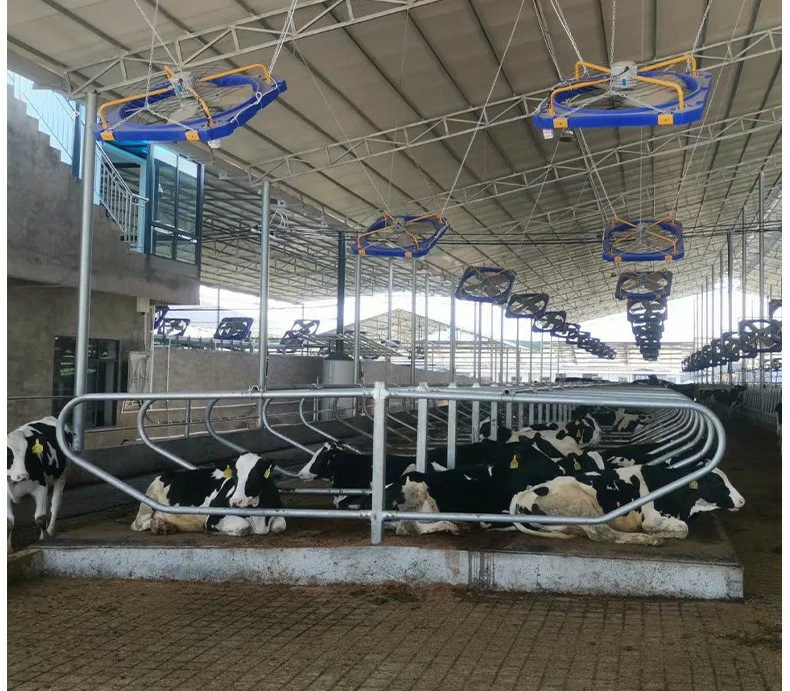
Cattle spend a significant portion of their day lying down, especially in dairy operations. Hard concrete accelerates joint stress, hock lesions, and fatigue. A well-cushioned mat can extend lying time, which directly correlates with milk production and overall health. The Dairy Cattle Science textbook (4th Edition, Chapter 9, p. 267) notes that well-cushioned stall surfaces encourage longer lying bouts and reduce hock lesions. The “best” mats in this category are often thicker and made of high-density rubber that resists compaction over time. In beef housing or holding areas, moderate cushioning still supports animal welfare by reducing standing fatigue.
Wear Resistance: What Happens After Years of Hoof Traffic?
Durability is not simply about how long the mat lasts—it’s about how consistently it performs as it ages. Repeated hoof traffic, exposure to urine, and cleaning chemicals can degrade low-quality rubber. Look for mats with high-tensile rubber compounds, typically indicated by higher density and resistance to tearing. Recycled rubber mats may offer good value but can vary in consistency. Virgin rubber blends often provide better wear life and dimensional stability. In high-abuse areas like feed aprons or loading ramps, thinner economy mats may crumble or curl within a few seasons, making them a false economy.
Drainage and Cleaning: Keeping Mats Dry and Hygienic
Moisture trapped under or on a mat promotes bacterial growth, ammonia release, and hoof diseases like foot rot. The best rubber mats for cattle will either allow liquids to drain through channels or off the edges into a prepared base. Some mats are designed with underside channels or perforations that work with a sloped floor. Others feature top-surface grooves that direct moisture away from resting areas. Cleaning ease is equally important; mats that can be scraped with a tractor blade without catching or shredding save labor and reduce residue buildup. Always match the mat’s drainage design to your barn floor slope and cleaning equipment.
Comparison Table: Key Features of Common Cattle Mat Types
| Mat Type | Grip Level | Cushioning | Drainage Ease | Typical Wear Life | Best Use |
|---|---|---|---|---|---|
| Solid heavy-duty rubber mat | Moderate to high (if textured) | High | Moderate (relies on slope) | Long (10+ years) | Dairy freestalls, calving pens |
| Grooved/slotted mat | High | Moderate to high | Good (channels move liquid) | Long (8–12 years) | Alleys, transfer lanes, holding pens |
| Interlocking mat | Moderate | Moderate | Moderate to good | Moderate (5–8 years) | Show cattle areas, small pens |
| Recycled rubber mat | Variable (depends on finish) | Moderate | Usually poor | Moderate (may degrade unevenly) | Low-traffic resting areas, dry lots |
Common Mistakes When Choosing Rubber Mats for Cattle
- Ignoring the barn floor slope: a perfectly flat base leads to standing water, no matter how good the mat.
- Choosing a mat based solely on thickness without checking density or tear strength.
- Using the same mat type in high-traffic alleys and low-pressure resting areas—these zones demand different performance.
- Forgetting about thermal comfort: rubber mats can get cold in unheated barns, so consider bedding depth.
- Failing to account for cleaning equipment weight; a mat that delaminates under tractor tires will become a hazard.
We build this equipment to order; see the full specifications of our cow mats for standard sizes and custom options.
When to Prioritize One Feature Over Another
No single mat excels in every category, so rank criteria by your primary need:
- High-traffic alleys and ramps: prioritize grip and wear resistance.
- Dairy freestalls: prioritize cushioning and hygiene; a mat that stays dry and supports joints is worth the investment.
- Holding pens and sorting areas: balance grip and drainage; cattle are often concentrated here, so wet slippery mats are dangerous.
- Show cattle or clinic areas: consider mats that are easy to clean and present a safe, professional surface; minor cushioning may be acceptable.
- Outdoor lot pads: extreme durability and drainage matter most; comfort is secondary if cattle have bedding elsewhere.
Final Takeaway
The best rubber mats for cattle are not defined by a brand or a single spec sheet. They are defined by how well they prevent slips, support joints, withstand daily abuse, and stay clean in your specific barn environment. Translate “best” into the performance standards your cattle and your daily management require. By matching mat characteristics—grip, cushioning, wear, drainage, and cleanability—to each area of your farm, you make a choice that pays off in animal health, labor efficiency, and long-term value.
References
- University of Minnesota Extension cow comfort guide
- University of Minnesota Extension dairy lameness prevention guide
- Penn State Extension heavy-use area pads for cattle
Frequently Asked Questions
What does “best rubber mat” mean for cattle?
The best mat is the one that fits the barn surface, animal size, drainage plan, cleaning method, and comfort goal. Thickness alone does not define quality.
Which surface texture works well for cattle mats?
Texture should reduce slipping without trapping too much manure. The right pattern depends on whether the mat is used in a resting stall, alley, milking area, or handling space.
Are softer cattle mats always better?
Not always. Mats must cushion joints while staying stable under weight, hoof pressure, and cleaning. Overly soft mats may shift, tear, or hold moisture if not supported properly.
How do farmers compare cattle mat durability?
Compare rubber quality, thickness, surface wear, edge strength, anchor method, chemical exposure, and cleaning equipment contact. Durability depends on daily conditions, not only the mat description.
What signs show that cattle mats need replacement?
Curling edges, deep cracks, exposed fabric, slippery surfaces, trapped moisture, strong odors, or repeated shifting suggest the mat is no longer supporting safe and clean use.