
Milking parts, vacuum & maintenance
A milking machine degrades gradually rather than failing outright, which is why problems show up as a rising cell count months before anyone suspects the equipment. These guides cover the parts, what each does, and the maintenance intervals that keep teat condition where it should be.
What to get right
- Know what each part does
Vacuum pump, regulator, pulsator, claw and teat cups each fail differently and show different symptoms. - Liners on a schedule
Replace by milkings, not by appearance. Rubber loses its properties before it looks worn. - Test, do not assume
Vacuum and pulsation should be measured periodically. A machine that sounds normal can be well out of specification. - Keep spares for the parts that stop milking
A pulsator or a liner set on the shelf is cheaper than a delayed milking.
Start with Milking Machine Parts Explained. Equipment: dairy milking equipment.
01 — Newest first
All guides in this topic

Parallel Milking Parlors
Parallel Milking Parlor – Custom Stall Layout for Dairy Farms
- Stall ConfigurationParallel (Side-by-Side)
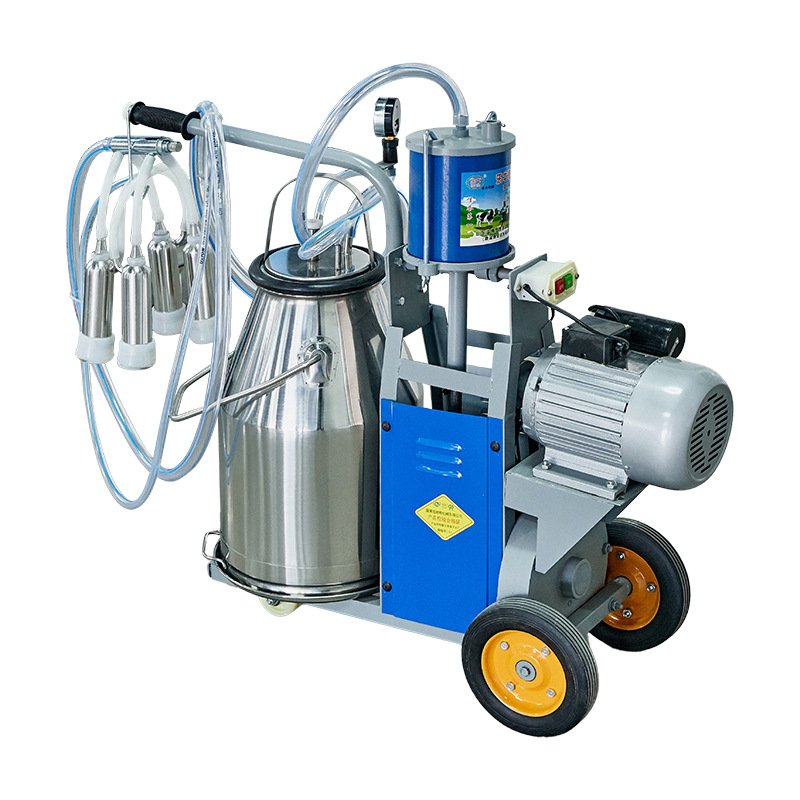
Portable Milking Machines
Piston Type Portable Milking Machine for Cow Goat and Sheep Farms
- Configuration TypeType I
- Voltage220V reference configuration
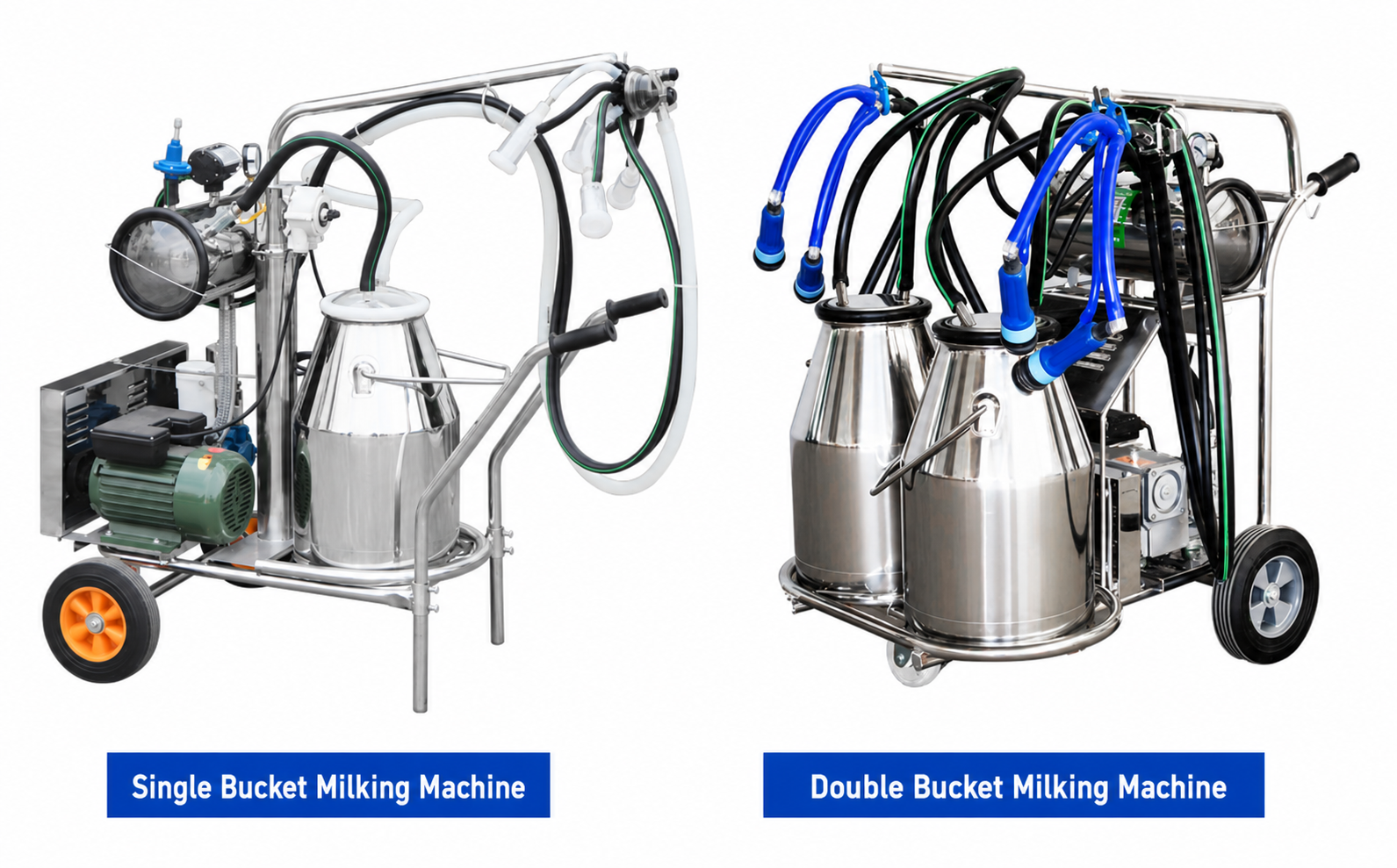
Portable Milking Machines
Vacuum Pump Portable Milking Machine for Cow Goat Sheep and Camel Farms
- Vacuum Pump ModelXD025
- Motor Power0.75–1.1 kW
Ask about equipment for this job
Send dimensions, quantity, photos or drawings. We reply within 24 hours on working days with a quotation or questions.