What Makes Up a Barn Cleaning System Layout
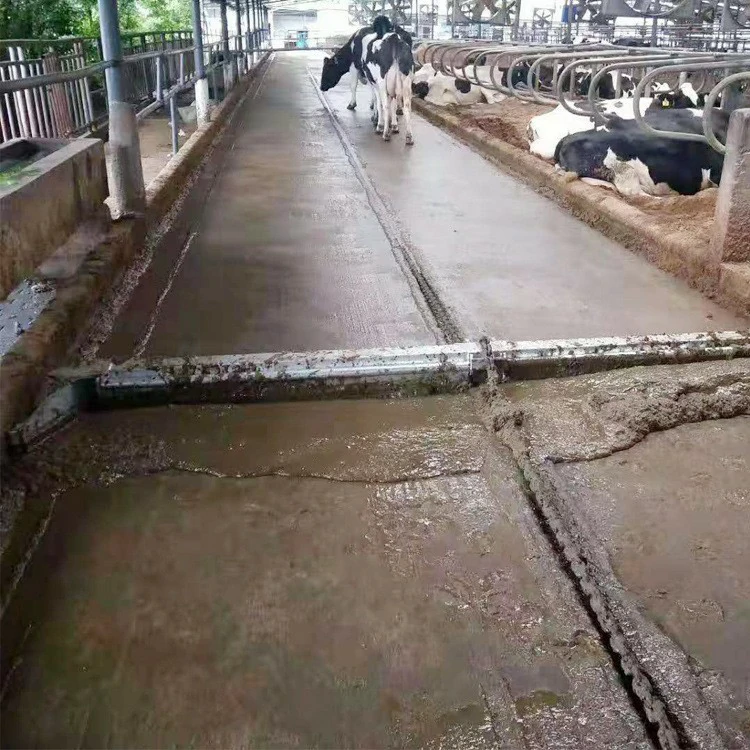
At its simplest, a barn cleaning layout includes three connected zones: the scraping area where manure accumulates, the alley or channel that moves it out of the barn, and the storage facility. Each zone must be sized and located to work together. The layout also needs to account for animal movement, so clean animals are not forced through manure paths.
- Scrapers: Mechanical devices that push or pull manure along a floor or gutter. They can be alley scrapers, gutter scrapers, or cable‑driven flight scrapers.
- Transfer alleys or channels: The routes that carry collected manure to a cross‑channel or outside storage.
- Storage: A pit, lagoon, or tank that holds manure until it can be land‑applied or removed.
- Supporting elements: Cross‑channels, diverter gates, and sometimes pumps or separators if the layout involves liquid handling.
According to the Dairy Housing and Equipment Handbook, a well‑planned layout separates clean and dirty areas to reduce disease risk and makes daily cleaning less labor‑intensive.
Barn Cleaning System Layout: Key Principles
Every barn cleaning system layout follows a few core rules. First, manure should travel the shortest practical distance from source to storage. Second, traffic lanes and cleaning lanes should not cross more than necessary. Third, slopes and channels must move manure by gravity or by scraper without building up in low spots. Fourth, storage must be large enough to handle peak loads, including bedding and wash water. These principles apply whether the barn is a freestall dairy, a bedded‑pack beef barn, or a multi‑use livestock shed.
How Scrapers Fit into the Layout
The scraper type shapes the layout. Alley scrapers work in open aisles, typically 8 to 14 feet wide, and need a return path or a center‑mount drive. Gutter scrapers run in narrow, pre‑formed gutters behind tie‑stalls or stanchion barns. Cable flight scrapers can cover longer runs and turn corners, which gives flexibility in older buildings. The choice between hydraulic and cable drive affects how transfer points and storage pits are arranged. A common rule is to place the scraper drive unit where it can be serviced without entering the animal area, and to slope the alley or gutter at least 1‑2% toward the transfer point.
Crossovers and transfer points
Crossovers are where alleys meet, and these are critical layout points. A scraper may need to cross another alley or transfer manure to a different scraper line. Careful planning prevents manure buildup at intersections. Some barns use a single scraper that travels a loop, while others use multiple scrapers with a chain or auger to lift manure across. The key is to avoid blind spots where manure collects and to ensure cows can still pass safely.
Transfer Alley Design: Width, Slope, and Surface
A transfer alley is a short, dedicated lane that links the barn scraping area to the storage. It should be wide enough to handle the scraper’s discharge without plugging—commonly 18 to 24 inches for small scrapers and up to 4 feet for larger systems. The floor must have a smooth, acid‑resistant surface with a consistent slope of at least 2% toward storage. Cross‑channels that collect manure from multiple alleys need slope verification at every junction. Standing water or backed‑up manure in a transfer alley indicates a drainage or slope problem that could freeze in cold climates or produce excess gas indoors.
Manure Storage: Connecting Scrapers and Alleys
Storage placement affects both the cleaning system layout and farm biosecurity. Where possible, locate storage on the downslope side of the barn so gravity assists flow. The inlet from the transfer alley should be accessible for inspection and block‑free. For liquid manure systems, a reception pit directly outside the barn wall is common. For semi‑solid or solid manure, the storage pad or stack must allow easy loader access without crossing clean animal paths. The Livestock Waste Facilities Handbook stresses that storage sizing must consider not just manure volume but also bedding, wasted feed, and normal rainfall or runoff if the storage is open.
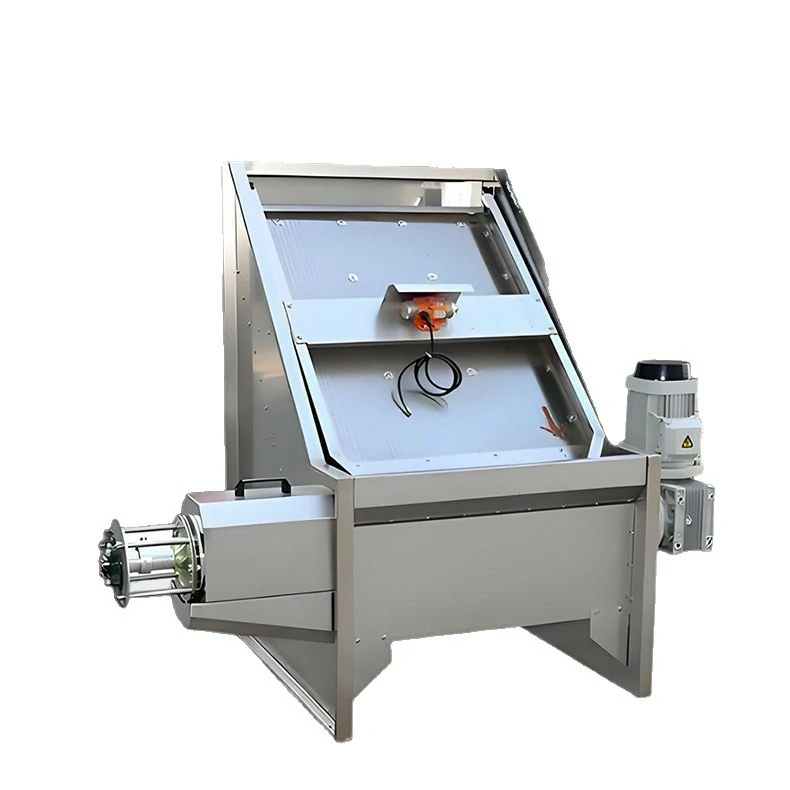
For sizes, materials and configuration options, check the automatic manure scraper specifications on our product page.
Integrating Animal Traffic and Cleaning Schedules
The layout works only if cleaning happens when it does not interfere with milking, feeding, or resting. Most dairy barns scrape alleys while cows are in the parlor, which means the scraper route must not block return lanes. Layouts with cross‑alleys or multiple pens benefit from scheduled scraping sequences: clean one side while cows use the other. In loose‑housing or bedded‑pack barns, scraping may be less frequent but heavier each time, so the transfer alley must handle a larger, less consistent flow. Plan doorways and gates so that a scraper in motion does not startle animals—curves in alleys or blind corners can cause balking.
Holding areas and milking times
Manure scrapers and cows must share the barn. In holding areas or waiting pens, manure accumulates quickly, and scraping schedules must align with milking or feeding times. Cows should not be present when scrapers operate, both for safety and to avoid stressing animals. Layouts often include gates or crowd gates to temporarily move cows while scraping occurs. According to the Dairy Cattle Science textbook (4th Edition, Chapter 12, p. 340), timed manure removal reduces pathogen spread and improves cow cleanliness.
A typical scraping routine
For effective barn cleaning, scrapers typically run every 2–4 hours, or at least before each milking. A typical routine might include scraping after cows leave the barn for milking, then again before they return. The timing must match labor availability and cow movement. Automation can run scrapers overnight, but noise and cow response need consideration.
Common Barn Cleaning Layout Mistakes
Even experienced builders can miss details that lead to poor performance. Watch for these pitfalls:
- Alley width too narrow for both a cow and a scraper to pass safely.
- Insufficient slope in gutters or transfer alleys, causing pooling.
- Storage pit too small, leading to frequent or emergency hauling.
- Transfer alley floor that is rough or porous, collecting solids.
- Drive unit placed in a wet, corrosive location without good ventilation.
- No access for manual clean‑out of cross‑channels or gates.
- Animal traffic forced through dirty alleys, spreading manure on claws.
Barn Cleaning System Layout Checklist
Use this table to review a new layout or troubleshoot an existing barn cleaning system layout.
| Design Element | What to Verify |
|---|---|
| Alley width | Adequate for scraper type, cow passing, and future bedding changes. |
| Alley slope | At least 1–2% toward transfer point, no flat spots. |
| Transfer alley slope | 2% or more toward storage, smooth surface. |
| Surface material | Acid‑resistant, non‑porous, easy to clean. |
| Scraper return path | Clear, safe route that avoids animal lanes. |
| Drive unit location | Serviceable from outside animal area, protected from manure and moisture. |
| Cross‑channel junctions | Sloped to avoid pooling; accessible for rodding or flushing. |
| Storage size | Holds manure, bedding, wash water for desired interval (e.g., 6‑12 months). |
| Storage placement | Downslope from barn, inlet accessible, loader access clean. |
| Animal flow | Cleaning schedule timed with milking/feeding; routes do not cross dirty lanes. |
| Ventilation | Transfer channels gapped or vented if gases could enter animal zones. |
When to Bring in Professional Design Help
Many small barns work well with simple alley‑scraper setups, but professional design becomes important when:
- The building is multi‑pen or multi‑species and requires complex manure routing.
- Underground piping, settlement tanks, or pumping stations are part of the layout.
- Regulatory requirements for manure storage, odor, or nutrient management apply.
- The site has high groundwater, shallow bedrock, or poor drainage.
- You plan to automate the scraping system with sensors or timed controls.
In these cases, consulting a qualified animal housing designer or your local Extension service can prevent costly layout failures.
References
- Penn State Extension manure separation facilities guide
- USDA NRCS solid-liquid manure separation handbook
- USDA NRCS waste separation facility standard
- EPA guide to animal feeding operation manure uses
Frequently Asked Questions
Why does alley width matter for manure scraper layout?
Alley width affects blade coverage, cow movement, manure buildup, and safety. A scraper must clean the lane without crowding cows or leaving strips of manure along edges.
What layout problems reduce scraper efficiency?
Dead ends, sharp turns, uneven floors, poor transfer points, obstacles, and irregular alley widths can cause missed manure, chain stress, or cow movement problems.
How should scraper paths connect to manure storage?
The scraper path should move manure toward a channel, cross gutter, pit, or transfer point without creating buildup. Storage connection matters as much as the scraper itself.
Can a scraper run while cows are in the alley?
It can in many barns, but speed, route, timing, blade shape, and cow behavior must be considered. The system should avoid trapping cows or pushing manure into resting areas.
What should farmers check before adding a scraper to an existing barn?
Check floor slope, alley dimensions, cow traffic, electrical access, manure destination, cleaning schedule, and obstacles. Retrofitting works only when the path is realistic.