Barn ventilation is a fundamental part of keeping livestock healthy and productive. It controls temperature, moisture, ammonia, dust, and pathogens, all of which directly affect animal welfare and farm performance. This guide helps farmers and livestock owners understand what barn ventilation does, how to compare system types, what to check before choosing or upgrading a system, and how to manage it day to day—without getting lost in complex engineering details.
Why Barn Ventilation Matters for Livestock Health
Stale, humid air inside a barn creates a chain of problems. Animals breathe in ammonia from urine, inhale dust and mold spores, and struggle to regulate body temperature in hot or poorly ventilated spaces. This leads to higher pneumonia rates in calves, reduced milk yield in dairy cows, slower weight gain in beef cattle, more respiratory issues in poultry, and a damp environment that helps bacteria and viruses spread.
Good barn ventilation works continuously to bring in fresh air, remove moisture and gases, and control indoor temperature. The goal is not simply to open a window but to exchange air evenly without cold drafts or hot spots. According to the Midwest Plan Service’s handbook Livestock Housing, an effective ventilation system must maintain a stable thermal environment while removing excess moisture, heat, and airborne pollutants year-round.
Types of Barn Ventilation: Natural, Mechanical and Hybrid
There is no single ventilation solution for every barn. The right approach depends on your climate, building style, livestock type, and farm management goals. Most barns fall into one of three broad categories.
| Ventilation Type | How It Works | Best For | Main Limitations |
|---|---|---|---|
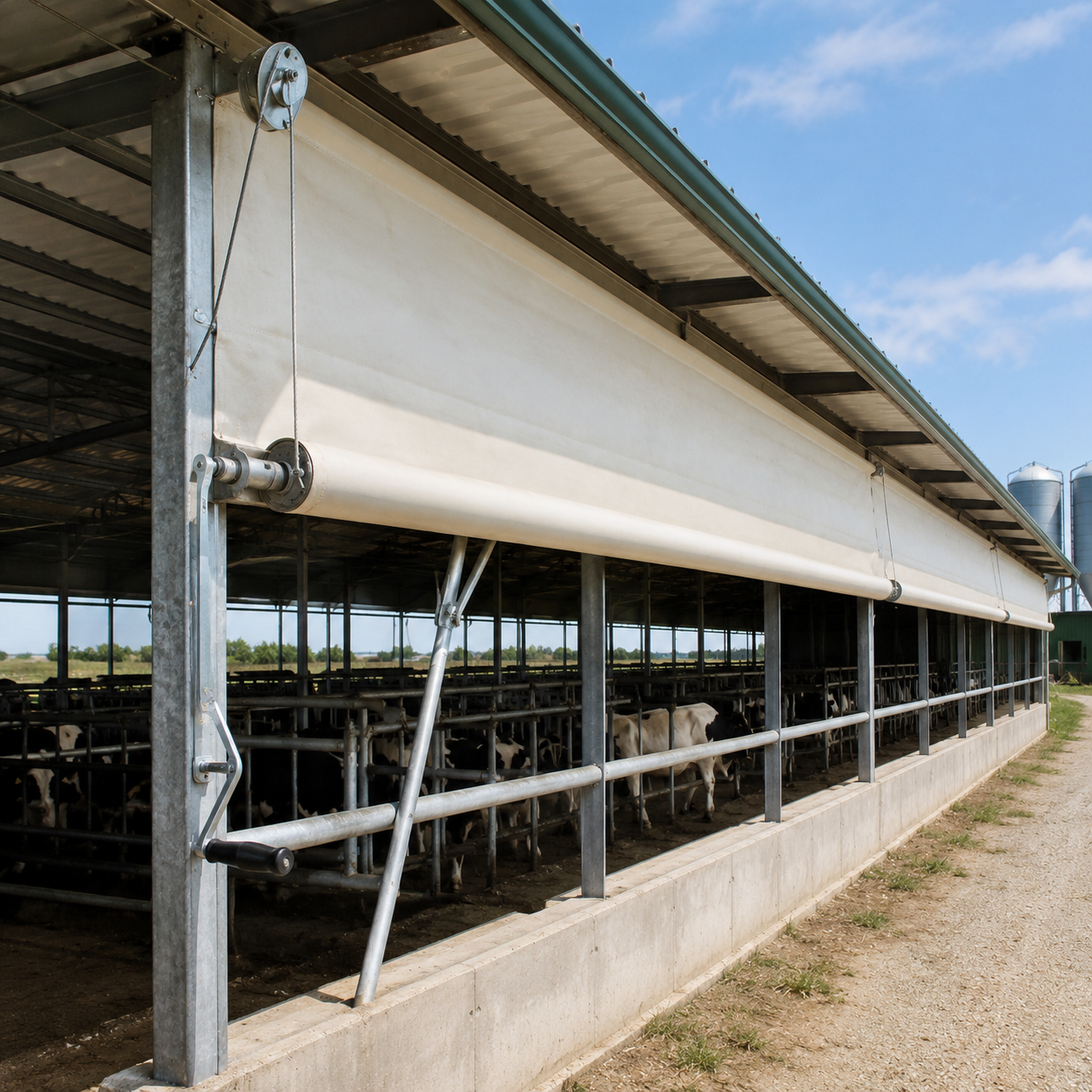
| Natural ventilation | Uses open sidewalls, ridge openings, and wind to drive airflow. Often managed with adjustable curtains or doors. | Mild or moderate climates; open‑sided barns; adult cattle, horses, and sheep. | Limited control in extreme weather; may not provide enough cooling during heat waves; wind direction and building orientation matter a lot. |
| Mechanical ventilation | Fans and controlled inlets create predictable air exchange. Can be positive pressure, negative pressure, or tunnel ventilation. | Enclosed barns; poultry, swine, calf barns; hot or cold climates where precise control is needed. | Higher equipment and energy costs; requires regular maintenance and backup power plan; poorly designed fans can create drafts. |
| Hybrid ventilation | Combines natural openings with fans that turn on only when needed—for example, on calm, hot days. | Retrofitted older barns; variable climates; dairies and feedlot barns that need extra cooling in summer. | Slightly more complex controls; needs good management to switch modes effectively. |
University of Wisconsin Extension guidance notes that natural ventilation often works well for adult dairy cattle in cold climates when the barn is properly oriented and has adjustable openings. In contrast, mechanical systems are almost always necessary for youngstock and poultry where temperature and ammonia control must be precise.
Key components of a ventilation system
Whether natural or mechanical, several components work together:
- Air inlets: Adjustable openings that let fresh air in without causing drafts. Positioned to mix air gently.
- Air outlets (exhausts): Ridge openings, exhaust fans, or chimneys that remove stale air.
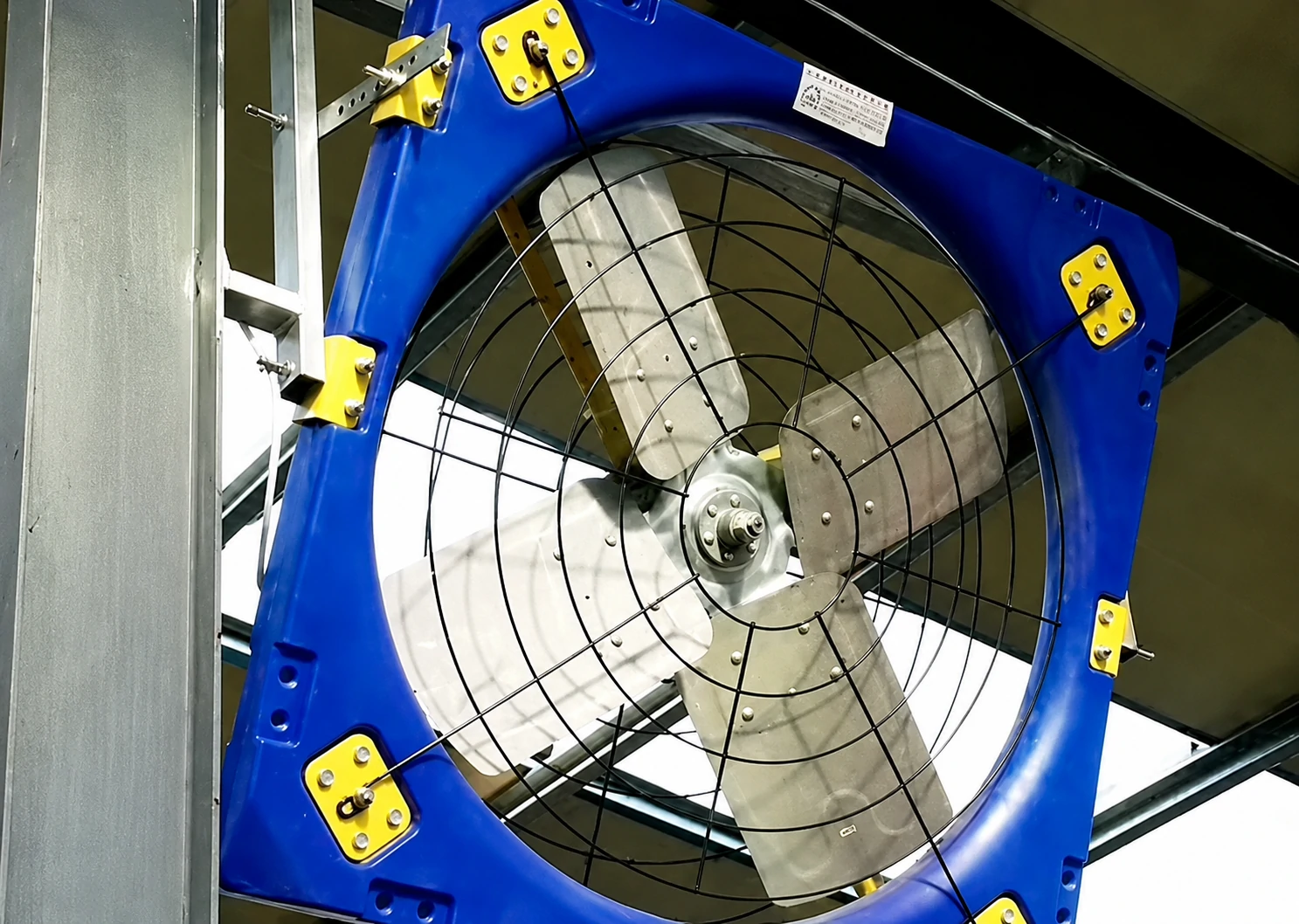
- Fans: In mechanical systems, fans provide the pressure difference. Sizing (CFM per animal) is critical.
- Controllers and thermostats: Automate fan stages and curtain position based on temperature.
- Circulation fans: Stir air inside the barn to prevent stratification and bring fresh air to animal level.
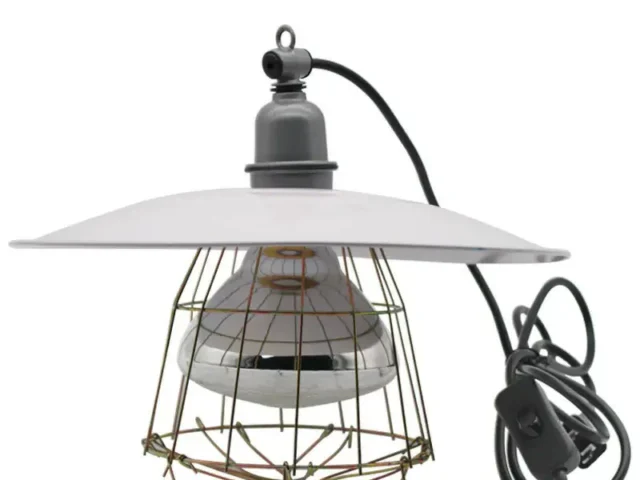
- Heaters (optional): In cold climates, balanced heat helps maintain air exchange without chilling animals.
Many problems come from mismatched components. For instance, adding fans without enough inlet area will cause high-velocity drafts. Or inlet openings that are too large can short-circuit air, leaving dead spots.
If you are planning a purchase, you can see the full specifications of our barn ventilation fan.
What to Compare Before Choosing Barn Ventilation
Start with the real farm need, not just a fan catalog. Consider these factors before making decisions about barn ventilation systems:
- Animal type and age: Young calves, piglets, and broiler chickens need much tighter control than mature beef cows.
- Stocking density: A crowded barn produces more heat and moisture, requiring higher air exchange rates.
- Local climate: Winter ventilation must remove moisture without over‑cooling; summer ventilation must remove heat; shoulder seasons require flexibility.
- Barn structure: An old pole barn with many gaps may not seal well enough for mechanical negative‑pressure systems. An enclosed barn may overheat quickly without fans.
- Air movement vs. draft: High‑speed air directed at animals can chill them, especially young animals. Good design distributes air gently at animal level.
- Ease of management: Automatic controls reduce daily labor but need knowledgeable setup. Manual curtain systems are simpler but require more attention.
- Energy and backup power: Mechanical systems depend on electricity. A backup generator or natural-system fallback plan is important.
Texas A&M AgriLife Extension advises that air exchange rates for livestock barns are often expressed in cubic feet per minute (CFM) per animal unit, and while specific numbers vary by species, the principle is universal: the rate must match the heat, moisture, and contaminant load inside the building.
Signs That Your Barn Ventilation Is Not Working Well
You do not need instruments to spot poor ventilation. Look for these warning signs:
- Strong ammonia smell: A burning odor that makes your eyes water means ammonia is building up—this irritates respiratory tracts and reduces feed intake.
- Excess moisture: Wet floors, condensation on walls or ceilings, and soggy bedding signal insufficient moisture removal.
- Heat stress behavior: Panting, reduced feed intake, and lethargy in animals indicate the barn is too hot.
- Animal crowding near inlets: If animals cluster around doors or curtain openings, they are seeking fresh air, which suggests the main ventilation path is inadequate.
- Dust cloud visible in sunlight: A haze of dust hanging in the air means air exchange is too slow.
- Uneven temperatures: Cold spots near walls and hot spots in the center point to poor air mixing.
When you notice these signs consistently, the ventilation system may need adjustment, additional inlets, or a more thorough design review.
Daily Barn Ventilation Management Checklist
Ventilation is not a set‑and‑forget task. Even automated systems need regular checks. Use this simple checklist to stay on top of barn ventilation day to day.
| Task | Frequency | What to Check |
|---|---|---|
| Walk through the barn and smell the air | Every visit | Ammonia, musty odors, strong manure smell; if it’s unpleasant to you, it’s worse for the animals. |
| Feel for drafts at animal level | Daily in cold weather | Cold air blowing directly on calves, piglets, or sick animals; adjust baffles or inlets. |
| Check curtains and inlet openings | Daily | Openings are free of ice, snow, and debris; curtains move smoothly; no torn fabric. |
| Inspect fans | Daily (running season) | Listen for worn bearings, check belts for cracks, clean guards and blades; replace broken shutters. |
| Observe animal behavior | Every visit | Panting, huddling, or lying in wet areas are all ventilation red flags. |
| Monitor the manure pack | Weekly | Consistently wet bedding means moisture removal is insufficient; adjust ventilation rate or add bedding. |
| Review temperature logs | Weekly | Compare high/low temperatures to target ranges for your livestock stage; look for sudden swings. |
Common Mistakes in Barn Ventilation Setup
Even experienced farmers sometimes make these errors. Recognizing them early can save animal health and repair costs.
- Closing everything in winter: In cold weather, the instinct is to seal the barn tight to keep heat in. But this traps moisture and ammonia. Ventilation must still run—just at a reduced, draft‑free rate.
- Pointing fans directly at animals: Especially with youngstock, a constant blast of air can cause cold stress. Instead, aim for gentle air mixing above animal height.
- Ignoring inlet management: Fans pull air out; inlets let fresh air in. If inlets are too small or poorly placed, the system starves or creates dead zones. According to Penn State Extension, inlet area must match fan capacity to avoid excessive negative pressure and drafts.
- Forgetting summer heat buildup: Even naturally ventilated barns can overheat during still, hot days. Adding temporary portable fans or opening extra doors can prevent heat stress spikes.
- Mixing ventilation types without a plan: Putting a large exhaust fan in a naturally ventilated barn without adding controlled inlets often pulls air through gaps, creating unpredictable drafts and missing the animals.
- Skipping regular fan and curtain maintenance: Dust buildup on fan shutters, torn curtains, and slipping belts reduce performance silently. A quick weekly check prevents slow deterioration.
When Natural Ventilation Is Enough—and When It Isn’t
A common question on livestock farms is whether barn ventilation can rely on natural methods alone. For many mature cattle, dry cows, horses, and sheep, a well‑designed naturally ventilated barn works well, particularly in moderate climates. The key is building orientation perpendicular to prevailing summer winds, a properly sized ridge opening, and adjustable sidewall openings that let farmers react to weather changes.
However, natural ventilation falls short when:
- Animals are very young or vulnerable (calf barns, farrowing rooms, brooders).
- The climate has long periods of still, hot, or extremely humid weather.
- The barn is tightly enclosed with few operable openings.
- Ammonia control is critical, such as in deep‑pit swine barns or high‑density poultry houses.
In those situations, mechanical ventilation or a hybrid approach becomes necessary to protect animal health. Iowa State University Extension notes that for calf barns, a mechanical positive‑pressure tube system is often recommended to distribute fresh air evenly without drafts, reducing respiratory disease.
When to upgrade or retrofit
Signs that your current system is no longer sufficient:
- Condensation on walls or ceilings in winter.
- Ammonia odor noticeable at entry.
- Animals breathing heavily or panting even on mild days.
- Increased respiratory disease incidence.
- Feed intake or milk yield dropping during hot weather.
- Fans cannot maintain set temperature in summer.
Retrofitting can be as simple as adding more inlet area, installing additional mixing fans, upgrading to multi-speed or variable-speed fans, or adding a control system. Even small changes can significantly improve air quality.
Remember, ventilation is not a set-it-and-forget-it feature. It requires daily attention. Livestock producers who treat ventilation as an active management tool see better performance and fewer health problems.
Animal‑Specific Ventilation Notes
While the principles of barn ventilation are similar across livestock, the details vary.
- Dairy barns: Adult cows tolerate cold well but suffer during heat stress. Ventilation should focus on removing moisture in winter and providing high air exchange in summer. Fans over freestall beds and holding areas help during hot months.
- Calf barns: Calves need dry air that is fresh but absolutely draft‑free. Positive‑pressure tube systems in individual pens or small group pens are standard in modern calf barns.
- Pig barns: Swine are very sensitive to temperature changes. Farrowing rooms and nurseries need precise mechanical control. Finishing barns may use curtain‑sided natural ventilation with backup fans.
- Horse barns: Horses generally do well in naturally ventilated barns where stalls open to the outside or have wide aisles. Avoid tight, dark spaces; a ridge vent and open windows often suffice in moderate climates.
- Poultry barns: Modern broiler and layer houses rely almost entirely on mechanical tunnel or cross‑ventilation to control temperature, ammonia, and dust at very high bird densities.
The rule of thumb: the younger and more densely housed the animals, the more controlled ventilation must be.
Final Takeaway
Barn ventilation directly affects livestock health, growth, and farm profitability. Whether you rely on open curtains, mechanical fans, or a combination, the goal remains the same: provide fresh, dry air at the right temperature without drafts.
Start by observing your barn and animals honestly. If you smell ammonia, see condensation, or notice heat stress, the current ventilation needs attention. Use the comparison points and daily checklist in this guide as a practical starting point, not a final design. For new construction or major upgrades, involve an agricultural engineer or extension specialist who can calculate air exchange needs for your specific building and herd size.
Remember, effective barn ventilation is a continuous management practice, not a one‑time installation.
Frequently Asked Questions
How much does a barn ventilation system cost?
Cost varies widely depending on barn size, livestock type, and system complexity. A simple retrofit with a few fans might be a few hundred dollars, while a fully automated mechanical system for a large calf barn can cost several thousand. Plan for ongoing energy and maintenance costs as well.
Can I install barn ventilation myself?
Many farms can handle simple upgrades like adding portable fans or adjusting curtain openings. However, designing and installing a full mechanical system with controlled inlets, fans, and controllers usually requires professional input to size components correctly and avoid dangerous drafts.
How do I know what size fans to use?
Fan sizing depends on the barn volume, number of animals, and target air exchange rate (usually expressed in CFM per animal). Your local extension office or an agricultural engineer can help calculate needs based on your species and climate. Never guess, because undersized fans won’t remove enough moisture and oversized fans may create cold drafts.
Is natural ventilation safe for calves?
Natural ventilation can work for calves in mild weather if the barn has adjustable openings and calf hutches or dividers that block drafts directly at animal level. In cold or variable climates, a mechanical positive-pressure tube system is often safer to prevent pneumonia. Observe calves daily: wet bedding, coughing, or huddling signal a problem.
How often should I clean barn ventilation fans?
At least monthly during heavy‑use seasons and weekly during dusty periods. Dust on blades, shutters, and guards reduces airflow dramatically. Turn off fans before cleaning and check belts and bearings at the same time.
What backup plan should I have if power fails?
For mechanically ventilated barns that would overheat quickly without fans, a standby generator tested monthly is essential. Some farms also install drop‑down curtains that can be opened manually if power fails. Write down an emergency plan and train all staff on it.
Does barn ventilation affect milk production?
Yes. Heat stress reduces feed intake and milk yield in dairy cows. Even in cooler climates, poor ventilation that traps humidity and ammonia can lower milk production by increasing disease and discomfort. Studies from University of Florida Extension show that proper cooling and ventilation during summer can largely prevent these losses.
How do I know if my barn ventilation is adequate in winter?
Check for condensation on walls or roof, strong ammonia smell, and animal behavior such as huddling or coughing. You should be able to see your breath only slightly, and humidity should be low enough that bedding stays dry. A fog test (observe how fog or smoke moves) can indicate dead air spots.
Can I use the same ventilation system for calves and adult cattle?
Generally, no. Calves are far more sensitive to drafts and low temperatures. They often need positive-pressure systems that deliver fresh air without airspeed at calf level. Adult cattle can handle higher airspeeds and often do well in naturally ventilated free‑stall barns with good summer cooling.
Do horse barns need mechanical ventilation?
Many do well with natural ventilation, but if the barn is tightly enclosed or has limited ridge ventilation, mechanical help (such as mixing fans) can reduce respiratory issues. Avoid high-speed forced‑air systems that create drafts; commercial tube systems or ceiling fans are often enough.
References
- Penn State Extension guide to Selecting Rated Ventilation Fans
- Penn State Extension guide to Ventilation Systems Efficiency and Maintenance for Dairy Housing
- Penn State Extension guide to Natural Ventilation for Freestall Barns
- University of Minnesota Extension guide to Compost Bedded Pack Barns Dairy Cows