Main Types and Practical Farm Uses
Livestock fans help control heat, moisture, and air quality in barns and shelters. But not every livestock fan works the same way, and no single type fits every animal, building, or climate. This guide explains the main types of livestock fan used on farms, when each one makes sense, and what to compare before choosing.
Why Livestock Fan Type Matters
A livestock fan is not just a fan. In a livestock building, air movement must match the animal’s size, the building’s layout, and the local weather. A poultry house handling thousands of birds needs different airflow than a dairy barn with mature cows. A calf hutch requires different air patterns than a swine farrowing room.
Fan type affects cooling efficiency, energy use, dust handling, noise levels, and how easily the equipment holds up in a farm environment. According to the Handbook of Farm, Dairy, and Food Machinery Engineering (2nd Edition), ventilation system design for livestock buildings must consider the specific moisture and heat loads of the housed animals. That is why understanding fan types is a practical step, not a technical detail to skip.
If you need a version sized for your animals or building, see the full specifications of our barn ventilation fan and send us your requirements.
Common Livestock Fan Types at a Glance
Several fan types appear across livestock farms. Each has a place, but the best one depends on the building, the animals, and the farm’s ventilation strategy. The table below gives a quick overview before we look at each type individually.
| Fan Type | Typical Placement | Best For | Main Limitation |
|---|---|---|---|
| Circulation basket fan | Ceiling-mounted, often 8–12 ft high | Moving air across large pens, holding areas, or alleys | Less effective in narrow, low‑clearance buildings |
| Panel/basket fan (portable) | Floor or stand‑mounted, movable | Spot cooling, temporary cooling during heat events | Requires power access and safe cord management |
| Exhaust fan | Wall‑ or ceiling‑mounted, ducted outside | Mechanical ventilation systems, removing stale air and moisture | Must be sized correctly for building volume; single speed often inadequate |
| Box fan (wall‑mounted) | Installed in a wall opening or window | Smaller spaces, calf rooms, isolation areas | Limited air throw; not suitable for deep buildings alone |
| High‑volume low‑speed (HVLS) fan | Ceiling‑mounted, large diameter (8–24 ft) | Open‑span buildings, dairy barns, riding arenas | High initial investment; needs tall ceiling clearance |
| Misting fan | Where water supply and drainage are manageable | Dry climates, outdoor holding pens, or cooling during extreme heat | Adds humidity; not ideal in already humid areas; requires clean nozzles |
| Solar‑powered livestock fan | Remote pastures, open‑sided shelters, or off‑grid locations | Areas without grid power, supplemental summer cooling | Limited runtime on cloudy days; battery storage may be needed |
Circulation Fans: Basket and Panel Types
Circulation fans move air within a building without exhausting it. They are often used to break up heat stratification and keep air flowing across animals. Common designs include ceiling‑mounted basket fans and portable panel fans that sit on a stand or the floor.
Ceiling‑mounted circulation fans work well in loafing barns, free‑stall barns, and machine sheds where animals gather. They push air downward, which helps disrupt warm air pockets near the ceiling. Portable panel fans shine during heat waves or in temporary holding areas. Because they can be moved, they give the farm flexibility when fixed fans are not enough.
Exhaust Fans
An exhaust fan pulls stale, moist, or ammonia‑laden air out of the building. In mechanically ventilated barns, exhaust fans are the core of the air exchange system. Poultry houses and swine finishing barns rely heavily on properly sized exhaust fans to control temperature, humidity, and air quality year‑round.
Exhaust fans need to be matched to the building’s volume and the ventilation stages required (minimum, transitional, and maximum rates). A fan that is too small will not remove moisture fast enough; one that is too large can create drafts and waste energy during cold weather. University Extension ventilation guidelines often recommend a staged fan system with multiple smaller fans rather than one large exhaust fan alone.
Box Fans and Small Wall Fans
Smaller box fans or wall‑mounted propeller fans are common in calf hutches, isolation pens, and small animal rooms. They provide a focused stream of air and are easy to install. However, their air throw is limited, so they work best in compact spaces where the fan is close to the animals.
They can also serve as supplementary spot coolers when a large fan cannot be installed. In cooler seasons, a small variable‑speed box fan can gently move air without causing a chill, which helps control moisture and ammonia buildup in densely stocked areas.
Portable fans for temporary cooling
Portable large barn fans sit on wheeled carts or sturdy stands, allowing them to be moved wherever cooling is temporarily needed. This could be a holding pen during processing, a loading chute area, a sick pen, or an outdoor show ring. They are also used as backup during extreme heat waves when permanent systems are not keeping up.
These fans are typically axial or box-style units powered by a cord and plug. Their mobility means they can be repositioned throughout the day as the sun moves or as animals are rotated. However, they usually have lower airflow capacity than fixed units, and safety cords must be managed to avoid tripping hazards and animal interference.
When to choose a portable fan:
- You need temporary cooling for special events or emergencies.
- Your animals are housed in open lots, bedded packs, or hoop structures where permanent mounting is difficult.
- You want to test different fan positions before installing fixed units.
- You have intermittent needs that don’t justify a full, permanent installation.
High‑Volume Low‑Speed (HVLS) Fans
HVLS fans are large‑diameter ceiling fans that move a massive column of air at low speed. They are energy‑efficient for open‑span buildings and can cool large groups of animals by producing a gentle, building‑wide breeze. Dairy barns, horse arenas, and covered feeding areas often use HVLS fans because the slow‑moving air is quiet and does not startle livestock.
However, HVLS fans need enough overhead clearance—often 10 feet or more—to operate safely. They are a permanent installation, not a portable solution. Their initial cost is higher, but the operating cost per air movement unit is typically lower than multiple high‑speed fans.
Misting Fans
A misting fan combines airflow with a fine water spray. As the mist evaporates, it pulls heat from the air and the animal’s skin. This can be very effective in dry, hot climates for dairy holding areas, outdoor feed alleys, or beef cattle pens. The cooling effect is immediate.
Misting fans are not a good choice in naturally humid regions because the added moisture can make the air feel muggy and increase the risk of respiratory issues. They also need a clean water supply and regular nozzle cleaning to prevent clogging. According to the Dairy Cattle Science textbook (4th Edition), evaporative cooling systems, including misters, must be managed carefully to avoid wetting bedding or feed, which can lead to mold and foot problems.
Solar‑Powered Livestock Fans
Solar livestock fans are an option for remote pastures, open‑sided run‑in sheds, or off‑grid watering stations where running electrical wiring is expensive or impossible. A solar panel charges a battery, which runs a fan during the hottest hours. These fans can reduce heat stress in isolated areas and help encourage animals to use shaded shelters.
However, solar fans are limited by panel size and sunlight availability. They are usually lower airflow units, suited for small groups or spot cooling rather than whole‑building ventilation. Farms considering a solar livestock fan should check average sun hours and whether the fan will deliver enough airflow on overcast days before relying on it as a primary cooling method.
How to Match Livestock Fan Type to Animal Needs
Different animals react to air movement differently, and building design often dictates which fan type works. The table below offers a general guide, but local climate and stocking density always matter.
| Livestock Group | Preferred Fan Type(s) | Reason |
|---|---|---|
| Dairy cows (lactating) | HVLS, circulation basket fans, misting fans (dry climates) | Large body mass, high heat production; benefit from whole‑building air movement |
| Beef cattle (feedlot pens) | Portable panel fans, misting fans | Open outdoor space; spot cooling at feed bunks or waterers |
| Swine (nursery/finishing) | Wall exhaust fans, ceiling circulation fans | Mechanically ventilated rooms; tight temperature and humidity control needed |
| Poultry (broiler/layer) | Exhaust fans, tunnel ventilation fans | High density; requires rapid air exchange to remove ammonia and heat |
| Horses (stalls/aisles) | HVLS, wall‑mounted circulation fans | Dust‑sensitive; low‑noise, gentle airflow preferred |
| Calves/goats/sheep | Box fans, small portable fans | Smaller buildings; avoid strong drafts on young or small animals |
Key Factors When Choosing a Livestock Fan
Before picking a fan, go through a short checklist. This prevents the most common sizing and placement mistakes.
- Airflow need (CFM): Calculate how much air must move per minute per animal or per square foot.
- Mounting height and clearance: Some fans need 10+ feet of overhead space; others fit in tight corners.
- Durability and corrosion resistance: Barn environments are dusty, humid, and sometimes ammoniated. Look for sealed motors and rust‑resistant materials.
- Noise level: Animals stressed by loud fans may eat less or become restless.
- Energy supply: 120V, 240V, or no grid? That determines whether solar or wired fans are appropriate.
- Variable speed control: Often essential for managing ventilation stages and reducing energy in cooler months.
- Maintenance access: Ceiling fans need safe access for cleaning and service; portable fans need cord and guard inspection.
- Water availability: If choosing a misting fan, a clean, pressurized water source is required.
Common Mistakes in Livestock Fan Selection and Placement
Even a well‑built livestock fan will underperform if the setup is wrong. These errors turn up regularly on farms:
- Installing a single high‑speed fan in a long barn, which creates a strong draft at one end and dead air at the other.
- Using a small box fan to ventilate a large pen, expecting it to exchange enough air.
- Mounting fans too low, where cattle or equipment can strike them.
- Placing a misting fan directly over bedding, soaking it and creating mold issues.
- Choosing a non‑ventilated motor housing in a dusty barn, leading to early motor failure.
- Ignoring winter ventilation needs: an exhaust fan that is oversized in winter can chill animals and waste heat.
- Forgetting to secure portable fans, so they tip over or cords get chewed.
Fan Maintenance
Regular maintenance extends fan life and keeps efficiency high. Start with a quarterly inspection schedule:
- Clean blades and guards. Dust buildup reduces performance and can unbalance blades. Wash with mild detergent and water—avoid high-pressure spray near bearings or motors.
- Check belts and pulleys (belt-drive fans). Look for cracks, glazing, or uneven wear. Maintain proper tension per the manual.
- Lubricate bearings if the fan has grease fittings. Overgreasing can be as harmful as undergreasing, so use a low-volume grease gun and follow specifications.
- Inspect shutters and louvers. Make sure they open fully when the fan is on and close tightly when off to prevent backdraft and bird entry.
- Test controls and sensors. Verify that thermostats and speed controllers are calibrated and functioning as intended.
- Listen for unusual noise. Vibration, screeching, or rattling can indicate impending failure. Address issues immediately to avoid costly breakdowns.
When One Fan Type Isn’t Enough
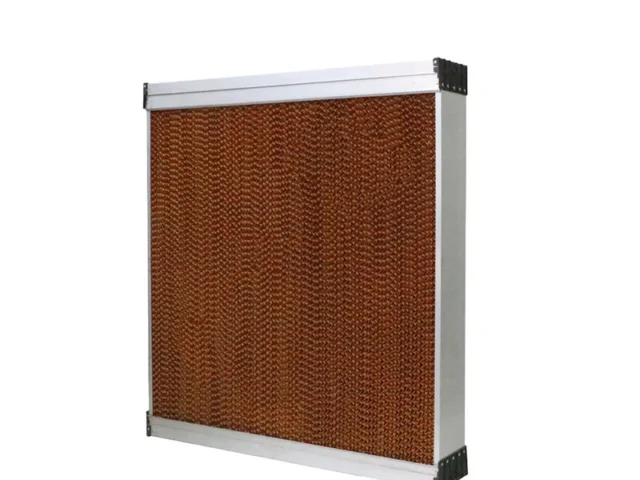
Many livestock buildings need a mix of fan types. A dairy barn might use HVLS fans for general air movement, exhaust fans to remove moisture, and a few portable fans for spot cooling in the holding pen. A poultry house often runs tunnel ventilation with large exhaust fans at one end and evaporative cooling pads at the other, boosted by circulation fans inside. Recognizing when one fan type cannot do the whole job is part of good ventilation planning.
The goal is a system, not a single device. According to the Midwest Plan Service’s MWPS-33 Natural Ventilating Systems for Livestock Housing, effective ventilation depends as much on building layout and inlet design as on fan selection. Mixing fan types with the right control strategy often gives the best balance of cost, comfort, and farm practicality.
Frequently Asked Questions
What is the best type of livestock fan for dairy cattle?
Dairy cows benefit most from gentle, building‑wide airflow. HVLS fans and ceiling‑mounted circulation basket fans are top choices. In dry climates, misting fans can add evaporative cooling during the hottest hours.
Can one fan type cool multiple animal groups in the same barn?
Possibly, but it depends on the building layout and animal differences. A single HVLS fan can serve an open‑span barn with different pens, but young animals may need separate, draft‑free zones. Often a mix of fan types gives better control.
How do I know if my barn needs exhaust fans or circulation fans?
If you need to remove stale, moist air and replace it with fresh air, exhaust fans are necessary. If the building already has good natural ventilation but hot spots exist, circulation fans can fix stratification. Many barns need both.
Are misting fans safe for all livestock?
They are generally safe when used in dry climates and aimed away from bedding and feed. In humid regions or poorly drained areas, they can increase humidity and cause respiratory stress. Calves, pigs, and poultry are more sensitive to wet conditions, so misting fans are used less often in those settings.
How many livestock fans do I need per animal?
This depends on fan airflow (CFM), animal weight, and ventilation stage. A common guideline for dairy housing under mechanical ventilation is 400–600 CFM per cow for summer cooling, but this must be verified with local Extension recommendations for your climate and building type.
What maintenance do livestock fans need?
Regular cleaning of blades, guards, and shutters is a must. Check motor seals for dust and moisture ingress. Lubricate bearings if not sealed. Inspect belts, mounts, and cords monthly. Dirty fans lose airflow quickly and can overheat motors.
Can I use a regular household fan in a livestock barn?
Household fans are not designed for dust, moisture, or long‑run hours. They often lack sealed motors and rust‑resistant components. While a cheap box fan may work briefly in a clean calf room, it is not a reliable livestock‑grade solution for critical ventilation.
When should I consider solar‑powered livestock fans?
Solar fans are ideal for remote, off‑grid locations such as open‑sided run‑in sheds, distant pastures, or watering stations. They work best when supplemental cooling is needed and grid power is too expensive to run. However, they are usually lower airflow and need sufficient sun exposure to be dependable.
Do HVLS fans help in winter as well as summer?
Yes. In winter, running an HVLS fan at low speed pushes warm air that rises to the ceiling back down to animal level, reducing heating costs and moisture condensation. This process is called destratification.
Should I use multiple smaller fans or one large fan?
Multiple smaller fans offer flexibility: you can stage them to match varying ventilation needs, and if one fails, others continue operating. One large fan can move more air with a single motor and controller but creates a single point of failure. A common approach is a main large-capacity fan supplemented by smaller circulation fans.
References
- Penn State Extension guide to Selecting Rated Ventilation Fans
- Penn State Extension guide to Ventilation Systems Efficiency and Maintenance for Dairy Housing
- Penn State Extension guide to Natural Ventilation for Freestall Barns
- University of Minnesota Extension guide to Compost Bedded Pack Barns Dairy Cows