Animal Type and Farm Routine Considerations
An automatic horse waterer keeps fresh, clean water available without daily bucket filling, but choosing and using one correctly changes when you move from a single-horse stall to a mixed-livestock farm, a busy dairy routine, or a frozen pasture. The right waterer for a calm gelding may be the wrong one for a pushy beef cow, a thirsty lactating dairy animal, or a small flock of sheep. This article explains how animal body size, behavior, drinking patterns, handling, and even milk production routines influence the selection, installation, and maintenance of an automatic horse waterer—and how to adapt the concept safely for other farm animals.
What an Automatic Horse Waterer Actually Does
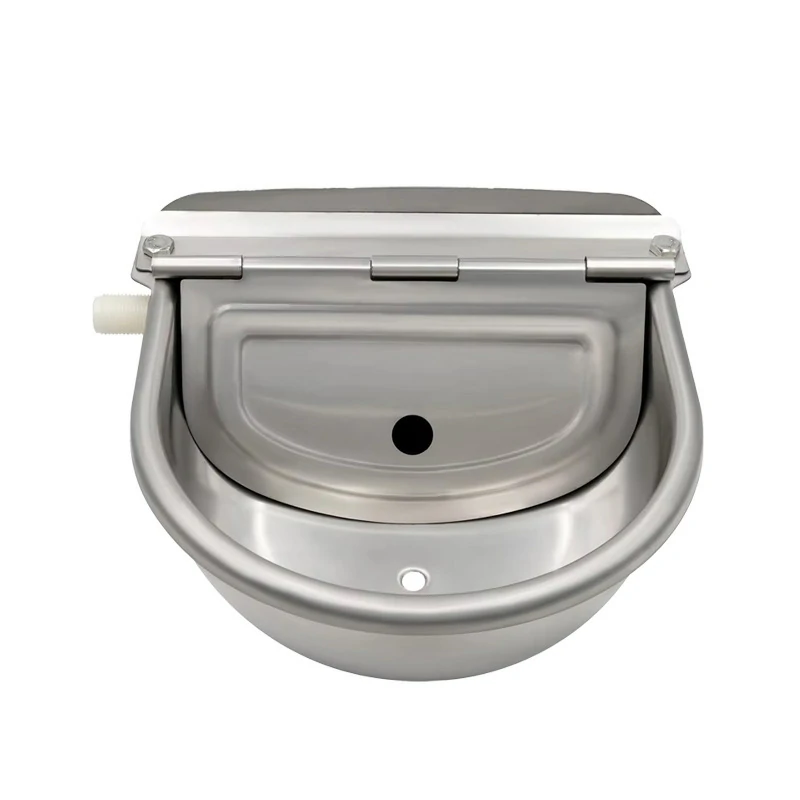
An automatic horse waterer is a permanently connected or portable water bowl that refills itself using a float valve, demand valve, or sensor. When the animal drinks and lowers the water level, the valve opens and water flows until it reaches a set height. This eliminates the need to haul buckets, reduces labor, and ensures horses have constant access to clean water.
The basic mechanics are the same whether it’s a stall-mounted unit, a pasture model with a below-ground frost-protected base, or a heated waterer for cold climates. What changes is how the waterer is sized, positioned, protected, and cleaned—and these factors shift considerably when the user is not a single horse but a herd of cattle, a group of dairy goats, or a mixed barn.
For sizes, materials and configuration options, check the automatic waterer bowl specifications on our product page.
How Animal Type Changes Automatic Waterer Requirements
A waterer designed for horses may not hold up when cattle, sheep, or goats use it. Differences in body size, drinking style, horned breeds, and group behavior force different design choices.
| Factor | Horse | Beef Cattle | Dairy Cattle | Sheep / Goats |
|---|---|---|---|---|
| Average daily water intake | 6–10 gallons (sedentary)10–15+ gallons (hard work, hot weather) | 8–12 gallons (dry cow)12–20+ gallons (lactating) | 15–30 gallons (high-producing) | 1–2 gallons (adult sheep)1–3 gallons (dairy goat, lactating) |
| Recommended drinking height | 24–36 inches from ground to rim | 24–30 inches | 22–28 inches | 12–18 inches (sheep)18–24 inches (larger goats) |
| Bowl depth | 4–6 inches, shallow but wide | 6–8 inches, deeper bowl | 6–8 inches, may need high flow | 3–5 inches, shallow to prevent dunking |
| Valve type | Float or demand valve; calm activation | Heavy-duty float, protected from pushing | High-flow demand valve, robust | Light-touch demand valve; must withstand horns |
| Freeze protection priority | High in pasture; stall units often inside | Essential in open feedlots | Critical; water intake is huge | Important; small bowls freeze faster |
| One waterer serves | 1–2 horses typical | 10–20 cows per unit (large bowl) | 5–10 cows per unit (high‑flow design) | 10–20 animals per single bowl |
For lactating dairy cows, water demand can double. The University of Wisconsin-Madison Extension notes that total daily water intake for dairy cattle is strongly related to milk production, dry matter intake, and environmental temperature. A waterer that works well for a dry horse may simply not deliver enough volume for a high-producing dairy herd, and a slow refill rate can reduce water intake and hurt production.
Body size and drinking behavior
Horses vary from miniature ponies to large draft breeds. Waterer bowl height and access must suit the animal. A pony may struggle to reach a bowl mounted at standard horse height, while a draft horse may be uncomfortable bending too low. The bowl should allow the horse to submerge its muzzle without banging teeth, and the water level should be easy to see so the horse approaches confidently.
Horses paw and investigate with their noses. Waterers need sturdy construction and a valve location that resists damage from hooves or playful behavior.
Stall Waterers vs. Pasture Waterers: What to Compare
Location changes everything. A stall waterer is usually mounted on a wall or partition, close to a plumbing line, and often inside a heated barn. A pasture waterer sits in the open, must resist freezing, mud, sun, and livestock that can push or rub against it.
Key differences:
- Stall: Smaller bowl, lower overall flow needed, often a simple float valve. Cleaning is easier. Freezing is less of a concern if the barn stays above 32°F.
- Pasture: Larger, deeper reservoir or insulated base to hold more water and resist ice. Requires an underground water line below frost depth or a non-electric freeze-protection system. Must be sturdy enough to handle multiple animals at once.
- Combined use: On many farms, horses move between stall and pasture. A heated automatic waterer in a run-in shed or paddock can serve both, but the float valve and plumbing must handle temperature swings.
Drinking Patterns, Behavior, and Feed That Affect Waterer Choice
How and when an animal drinks changes how you size and place a waterer.
- Horses: Sip intermittently throughout the day. They may stop drinking if water is too cold, dirty, or has a strange taste. A demand valve that makes noise or requires strong nosing can discourage drinking.
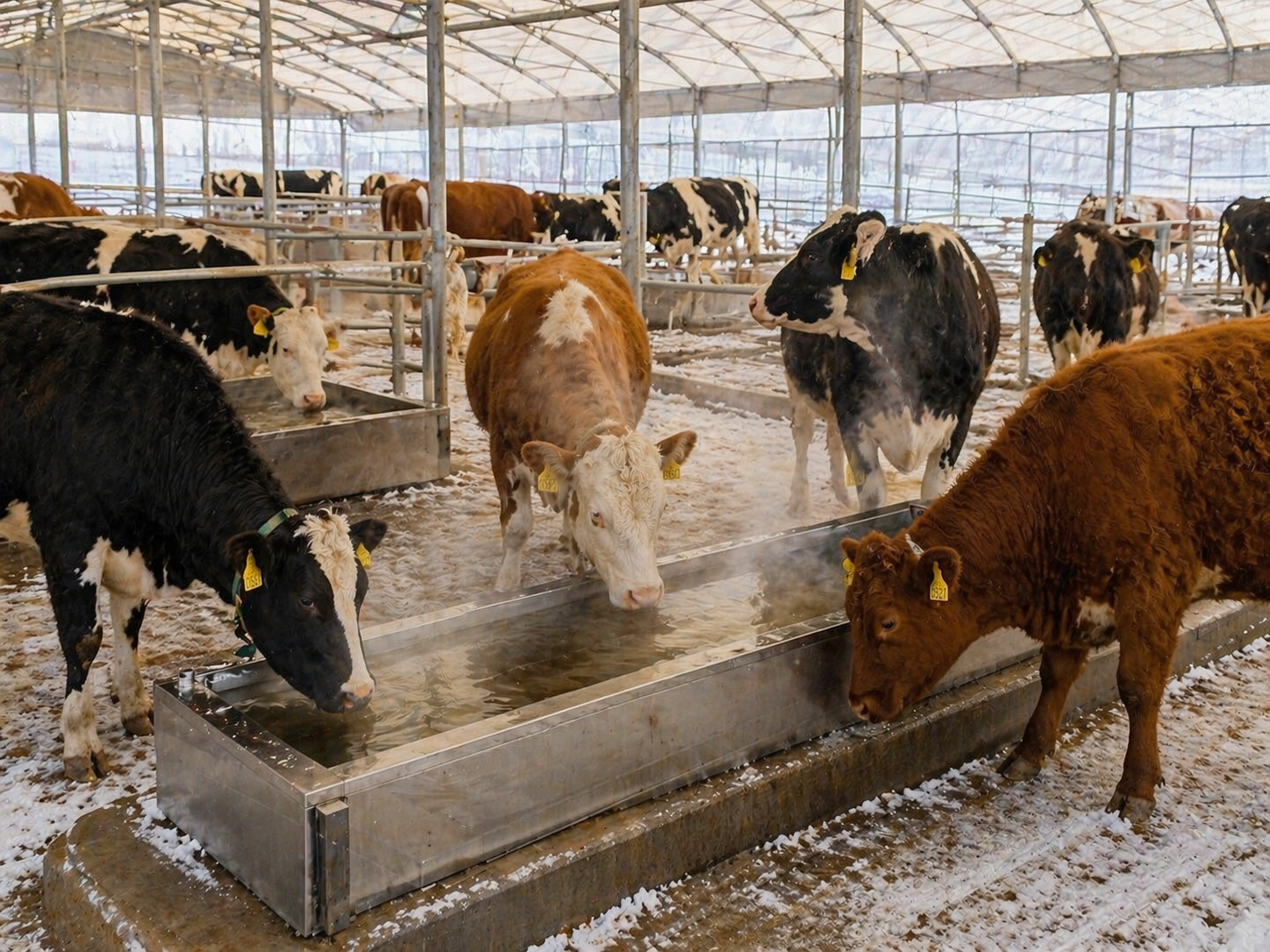
- Cattle: Visit water in groups, often after feeding or milking. They can empty a small bowl quickly. High-flow refill rates and large bowl capacity prevent the last cow from going thirsty.
- Sheep and goats: Frequent small drinks. They are sensitive to water cleanliness and may refuse water with algae or debris. Bowl access must fit lambs and kids at ground level.
- Hard feed or dry hay: All animals drink more when eating dry forage. If a farm switches to a drier hay, water intake can jump, and an undersized waterer becomes a bottleneck.
Age, Temperament and Lactating Mares
Foals, young horses and seniors
Age changes drinking behavior and physical reach. Foals explore with their mouths and can drown in a deep bowl. A foal-safe stall waterer must have a shallow basin, rounded edges, and no pinch points. Some farms use a temporary, low-mounted automatic waterer with a reduced water depth during the foaling season.
Senior horses with arthritis or dental issues may struggle to trigger a push-paddle or bite valve. A lightweight float valve or a constant-level reservoir style may be easier. Also, older horses often drink more slowly and need unrestricted access to keep hydrated, especially in winter.
Young, growing horses are curious and may play with waterer components. Durable, chew-resistant materials and secure mounting become more important.
Nervous or dominant horses
A horse’s personality can dictate the waterer’s shape and placement. A nervous horse may be spooked by the sound of water refilling. A slow-fill valve or a quiet electric system may be necessary. Dominant or aggressive horses can damage exposed plumbing or kick a low-mounted bowl. Recessed or corner-mounted models with heavy-duty stainless steel guards reduce this risk.
For horses that paw at water, an anti-splash rim and a heavy grate can keep most of the water in the bowl. In group gelding stalls, multiple water points at different heights can reduce competition, but a single horse stall waterer must be positioned where the horse feels safe to drink—away from the door or high-traffic alley.
Lactating mares
A lactating mare produces up to 3% of her body weight in milk daily, and water is the largest component. Her water intake can jump to 15–20 gallons per day. The stall waterer must keep up. A conventional small bowl may get fouled quickly and run dry between refills. A larger bowl or a constant-pressure automatic waterer with a clean-out drain reduces the chore burden and keeps fresh water available. According to The Horse (2nd Edition, Evans), inadequate water for a nursing mare can reduce milk output and threaten foal growth.
What Changes for Dairy Animals and Milk Production Routines
Lactating cows and dairy goats have exceptionally high water needs. A dairy cow producing 100 pounds of milk can drink 30–50 gallons of water per day. The National Research Council’s Nutrient Requirements of Dairy Cattle (7th Revised Edition) emphasizes that water is the largest component of milk and that restricted water intake immediately reduces milk yield. For this reason, a waterer that is acceptable for a horse may cause production losses if used in a freestall barn or goat dairy.
- High flow: The waterer must refill at 2–3 gallons per minute or faster.
- Multiple drinking stations: Dominant animals can block a single bowl. Dairy barns often need multiple waterers or long trough systems.
- Frequent cleaning: Milk residue, feed particles, and saliva increase biofilm. Daily scrubbing is essential.
Heated or Unheated Waterers
In unheated barns where temperatures drop below freezing, a heated horse stall waterer is not a luxury—it’s essential. Ice in the bowl or frozen supply lines can stop water intake completely. Thermostat-controlled, insulated models with a freeze-proof valve reduce the risk of dehydration and impaction colic in winter. In mild climates or heated barns, a non-heated automatic waterer is sufficient and lowers electricity cost. However, even in moderate regions, an unexpected cold snap can freeze exposed pipes, so pipe insulation is still advised.
A heated waterer also changes the farm routine: you no longer need to break ice or haul hot water to stalls each morning, which can save an hour of labor in a 10-stall barn.
Installation Pointers That Vary by Animal and Barn Layout
Installation steps are similar regardless of animal type, but some safety and access rules shift:
- Height: Mount a horse waterer at chest height (24–36 inches to rim). For cattle and sheep/goats, lower the height to match the animal’s back or shoulder level so they can drink without climbing.
- Drainage: A waterer with a drain makes cleaning easier. For pasture units, plan for a drain line that won’t freeze.
- Freeze protection: In cold climates, non-electric waterers rely on geothermal heat from a deep water line and an insulated base. Electric heated waterers need a reliable, weatherproof power source. Choose based on animal number—a small heated bowl may work for two horses but not for a herd of cattle that demands high flow.
- Plumbing: A stall waterer can often tap into an existing barn water line. A pasture waterer requires trenching below frost depth, backflow prevention, and pressure regulation if the line is long.
- Protection from trampling: In a horse stall, place the waterer away from the feed area to reduce contamination. In a cattle pen, a barrier or concrete pad around the waterer prevents mud holes and valve damage.
Maintenance That Changes with Animal Use
All automatic waterers need regular checks, but the workload changes.
| Maintenance Task | Horse Stall | Horse Pasture | Cattle / Dairy | Sheep / Goat |
|---|---|---|---|---|
| Cleaning frequency | Weekly scrubbing, rinse | Weekly scrubbing; check for algae | Daily scrubbing in dairy; 2–3 times/week in feedlot | 2–3 times/week; check for small debris |
| Valve inspection | Monthly | Monthly, plus after freeze risk | Every 1–2 weeks; high-use wear | Monthly; check for horn damage |
| Winter drain & protection | Minimal if barn heated | Important; ensure base insulation intact | Critical; heat tape or insulated cover may be needed | Essential; smaller units freeze faster |
| Algae/biofilm control | Low, if out of sunlight | Higher in summer; use shade | High; add regular sanitizing protocol | Moderate; clean more often in hot weather |
Maintenance checklist
Routine maintenance keeps waterers safe and appealing:
- Daily: Confirm water flow, remove any debris or floating feed.
- Weekly: Scrub bowl with a brush, check for algae or slime.
- Monthly: Inspect valve, seals, and heating element for wear or corrosion.
- Seasonally: Drain lines and insulate exposed pipes before deep freezes; replace worn components.
Automatic waterers for horses are not one-size-fits-all. Matching the waterer to the horse’s size, drinking style, and farm routine will improve water intake, reduce labor, and support overall health. Always consider the animal first, then the equipment.
Common Mistakes When Adapting a Horse Waterer for Other Livestock
- Using a horse waterer for cattle without checking flow rate. A float valve that dribbles is not enough when 15 cows crowd around.
- Mounting too high for small animals. Sheep and young goats may not reach a bowl set for horses.
- Ignoring horned breeds. Goats and some cattle can damage exposed valves or float arms.
- Assuming the same Winter strategy works for all. A heated horse waterer may have a small bowl that cows drain too fast, so the heater can’t keep up with incoming cold water.
- Placing a waterer where dominant animals block it. In group settings, submissive animals may be pushed away. Add multiple units or a long trough.
- Skipping daily checks in dairy settings. A malfunction that goes unnoticed for even a few hours can drop milk production.
When an Automatic Horse Waterer Is Not the Right Tool
An automatic horse waterer is a labor saver under many farm routines, but it is not a universal solution. If the animal group is large, water demand surges several times a day, or the site has no reliable electricity or frost-free water line, a traditional large-stock tank with a float valve may be more practical. For sheep and goats in rotational grazing, portable water troughs that can be moved daily may fit the pasture routine better than a fixed unit. And in a mixed-livestock barn, a single waterer type rarely fits all species—different bowls or a zoning approach may be needed.
Final Takeaway
The term “automatic horse waterer” describes a helpful tool, but its real-world performance depends on animal body size, behavior, feeding and drinking patterns, and whether the animal is producing milk. A waterer that keeps a single horse happy may fail a herd of lactating cows or a flock of goats. Before choosing or adapting one, match the bowl size, refill rate, mounting height, freeze protection, and cleaning schedule to the livestock that will actually use it. When the system fits both the animal and the daily farm routine, an automatic waterer stops being a chore-saver and becomes a reliable driver of health and production.
Frequently Asked Questions
Can I use an automatic horse waterer for cows?
Yes, but only if the waterer has a high-flow valve and a bowl deep enough for cows. Check that the refill rate (gallons per minute) matches the herd size and that the mounting height allows cattle to drink comfortably. Many horse-specific waterers are too small or slow for cattle, especially lactating dairy cows.
Will an automatic horse waterer work in below-freezing temperatures?
It can, if you choose a model designed for freeze protection. Heated electric waterers need a weatherproof power supply. Non-electric “frost-free” designs rely on an insulated base and a water line buried below frost depth. In extremely cold climates, an undersized bowl can still ice over if water sits too long, so match the waterer volume to the animals’ drinking rate.
What height should I install an automatic waterer for sheep or goats?
For adult sheep, set the rim about 12–18 inches above ground. For goats, 18–24 inches works well if they stand on all fours; for smaller breeds, go lower. A step or raised platform can help but must not become a contamination source.
How often do I need to clean an automatic horse waterer?
If only one horse uses it, weekly scrubbing and a thorough rinse are usually enough. In hot weather or when algae appears, clean more often. For dairy animals or multiple animals sharing one bowl, daily scrubbing is recommended to prevent biofilm and bacterial buildup.
Is a non-electric automatic waterer a good choice for a horse pasture?
It can be, especially where running electrical lines is difficult. Non-electric waterers use geothermal insulation and a deep underground water line to prevent freezing. They work best in moderate to cold climates where the ground temperature stays above freezing year-round, and they are often sized for 1–4 horses.
Can I install an automatic waterer myself?
Many small stall waterers are designed for DIY installation with basic plumbing skills, a nearby water line, and proper backflow prevention. Pasture waterers that require trenching below frost depth, concrete pads, or electrical wiring are more complex and may need a professional to meet code and avoid freeze failures.
What is the biggest mistake when adding an automatic waterer for mixed livestock?
Mounting it to suit only one species and assuming the rest will adapt. If horses, cattle, and goats share the same lot, either install multiple waterers at different heights or choose a bowl design that works for the smallest animal while still providing enough volume for the largest. Also, never underestimate how fast goats can destroy an unprotected float valve with their horns.
How high should a horse stall waterer be mounted?
The rim should be at the horse’s chest height. For an average 15-hand horse, that’s roughly 32–36 inches. A pony may need 24–28 inches, while a draft horse can require 40 inches. Always test with the actual animal if possible.
Can a horse stall waterer be used for a foal?
Yes, but it must be shallow and have anti-drowning features. A water depth under 3 inches and rounded edges are essential. Many farms install a dedicated low-level waterer in foaling stalls or use a removable step platform.
How do I prevent freezing in horse outdoor waterers?
Use a waterer with a thermostatically controlled heating element rated for outdoor use. Insulate supply pipes and bury them below the frost line. Electric heaters must be grounded and GFCI-protected to avoid shock risk.
References
- University of Minnesota Extension guide to Colic Your Horse
- University of Minnesota Extension guide to Farmbytes Watering System Design Rotational Grazing
- Penn State Extension guide to Harmful Algal Blooms Safety Testing and Management Options
- University of Minnesota Extension guide to Managing Dairy Cattle Cold Weather