
Milking Systems & Milk Production Guides
A milking parlour is the one piece of equipment on a dairy that the whole farm schedules itself around. Its layout decides how many cows get milked per hour, how many people it takes, how far those people walk in a shift, and how calm the cows are while it happens. These guides compare parlour types, cover the vacuum and pulsation systems underneath them, and look at what changes when you are milking goats, sheep or camels rather than cows.
What these guides cover
- Milking parlor types
Parallel, herringbone, rotary and tandem compared on throughput, operator movement and building footprint. - Milking system basics
Vacuum, pulsation, clusters and milk lines — how a milking machine actually works. - Species-specific milking
Goats, sheep and camels: udder height, cluster design and routine differences from dairy cattle. - Portable milking machines
Small herds, remote groups and single-animal milking without a parlour. - Milking parts, vacuum and maintenance
Liners, pulsators and the maintenance schedule that keeps teat condition and cell counts where they should be.
Start here
- What Is a Parallel Milking Parlor and How Does It Compare to Other Dairy Systems?
The most-read dairy guide on the site, and the right first read if you are planning a parlour. - Parallel vs Herringbone vs Rotary vs Tandem
All four layouts side by side, with the trade-offs stated plainly. - Rotary Milking Parlor vs Parallel Parlor: Which System Fits Large Herds?
Where the rotary starts to make sense, and where it does not. - Herringbone vs Parallel Milking Parlor: Layout and Cow Flow Differences
The two most common choices, compared on the thing that matters most — cow flow.
Size the parlour on milking time, not on stall count
The useful question is not "how many stalls" but "how long should milking take". Work backwards: decide the longest acceptable milking session, divide the herd by it to get the cows per hour you need, and only then look at layouts that deliver that with the number of people you actually have. A parlour sized on stall count alone tends to be either an expensive machine standing idle or a bottleneck that quietly lengthens every shift for the next fifteen years.
What the parlour does not include
The parlour is one part of the milking system. The holding area and the way cows enter it determine whether the parlour ever reaches its rated throughput; crowd gates, entry width and flooring in the collecting yard are part of the specification, not an afterthought. On the exit side, the return race decides whether cows go straight to feed or stand around. We design the parlour, the holding area and the races together for exactly this reason.
The equipment behind these guides
Parlour systems, portable milking machines and milking components are listed under dairy milking equipment. Send your herd size, target milking time and building dimensions and we will come back with a stall layout drawing.
All guides in this topic
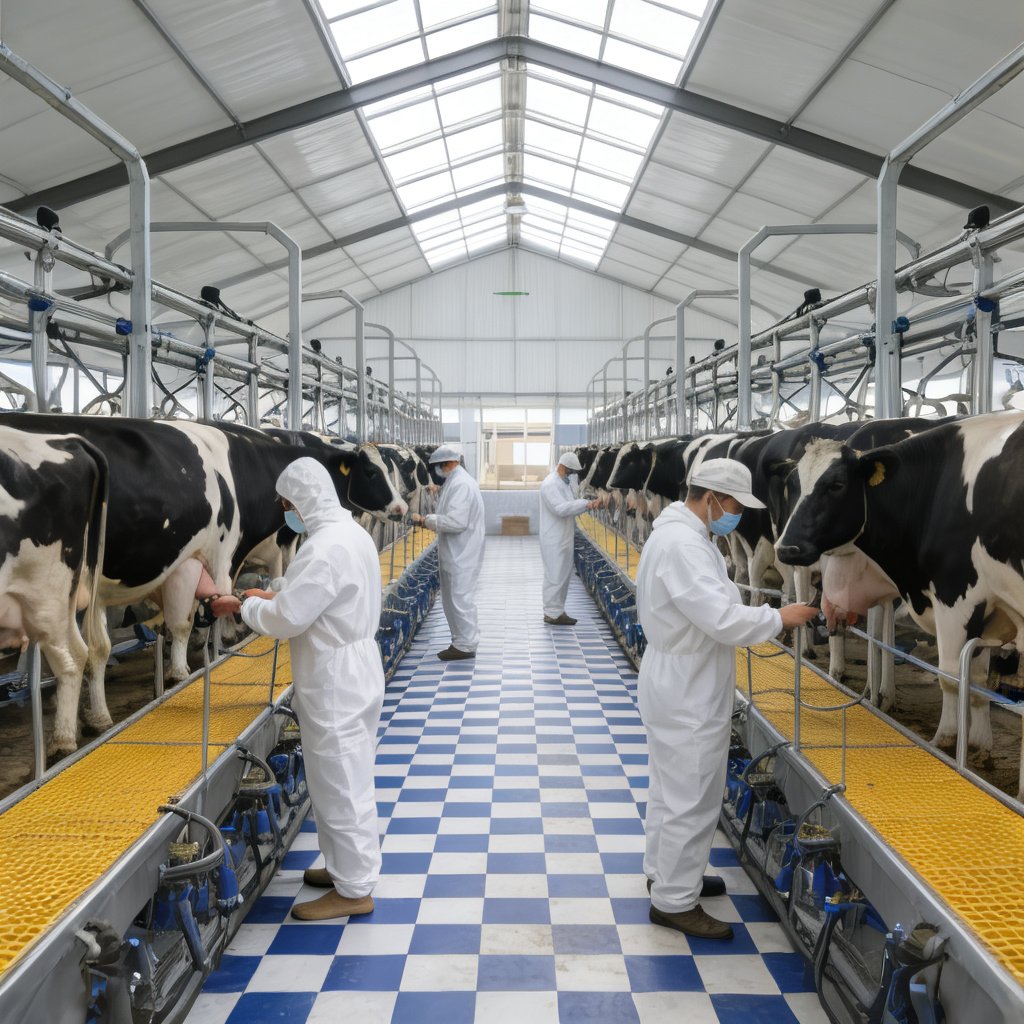
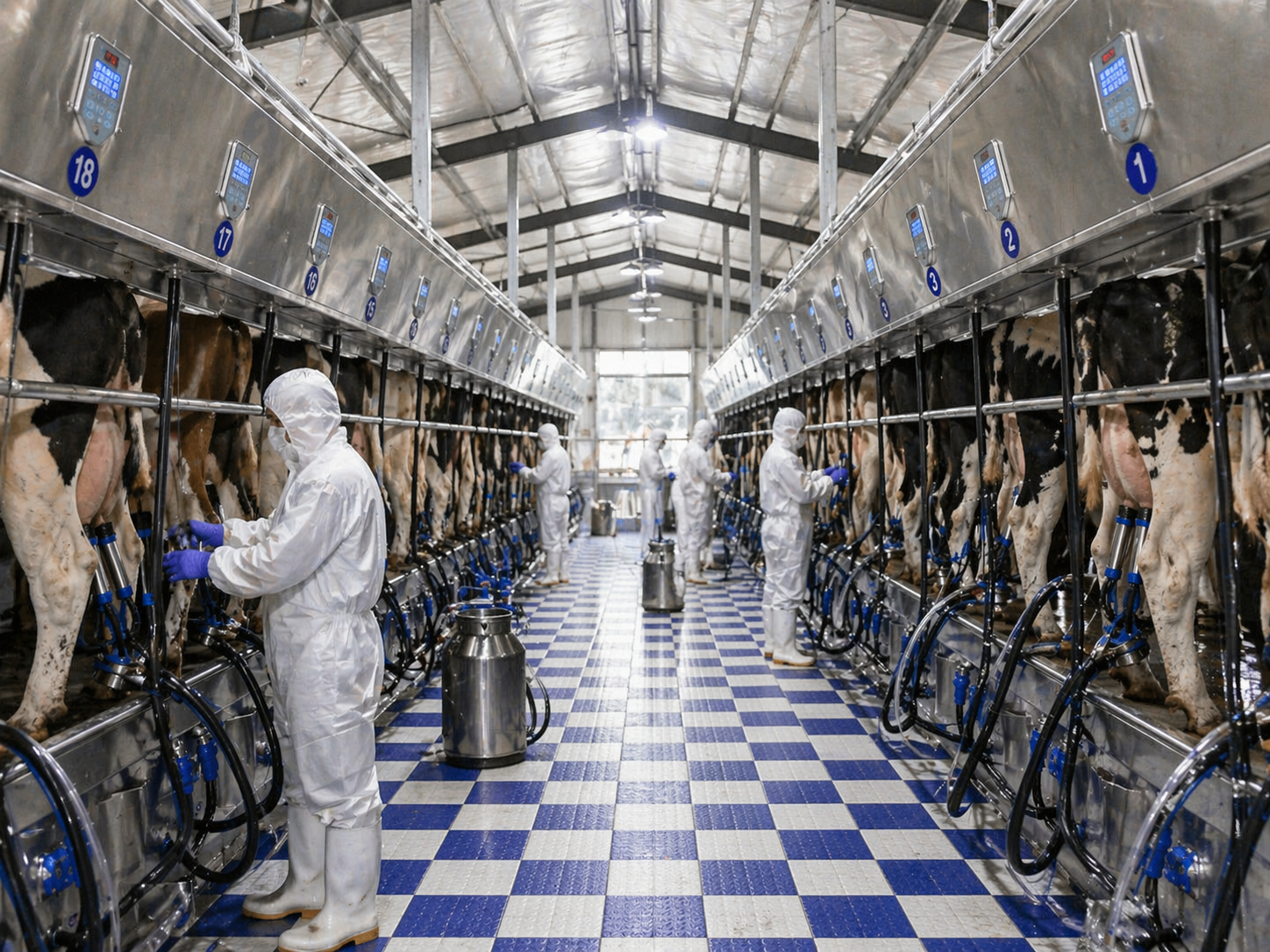
Parallel Milking Parlors
Parallel Milking Parlor – Custom Stall Layout for Dairy Farms
- Stall ConfigurationParallel (Side-by-Side)
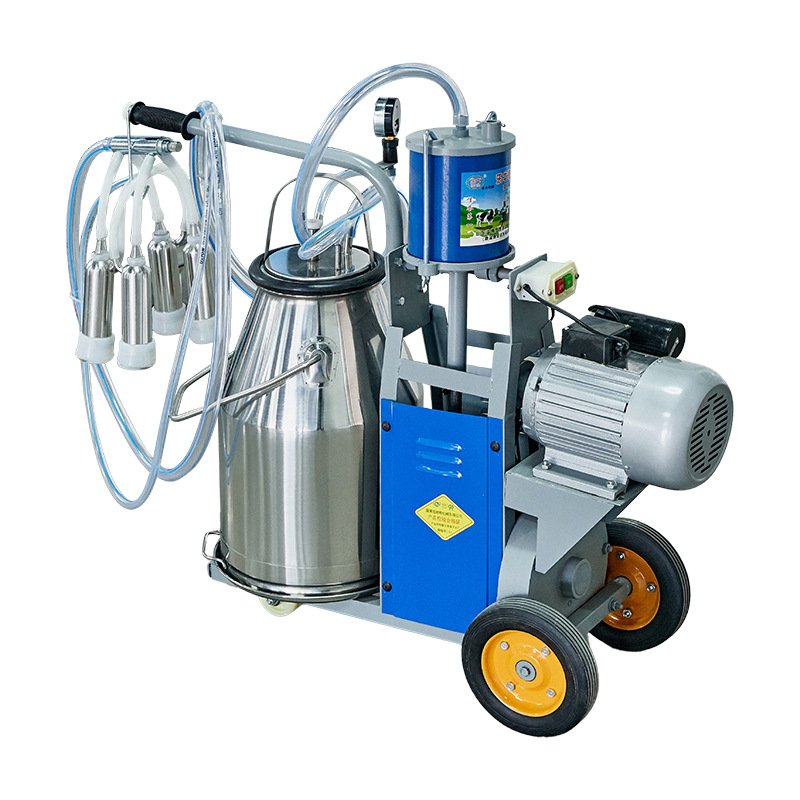
Portable Milking Machines
Piston Type Portable Milking Machine for Cow Goat and Sheep Farms
- Configuration TypeType I
- Voltage220V reference configuration
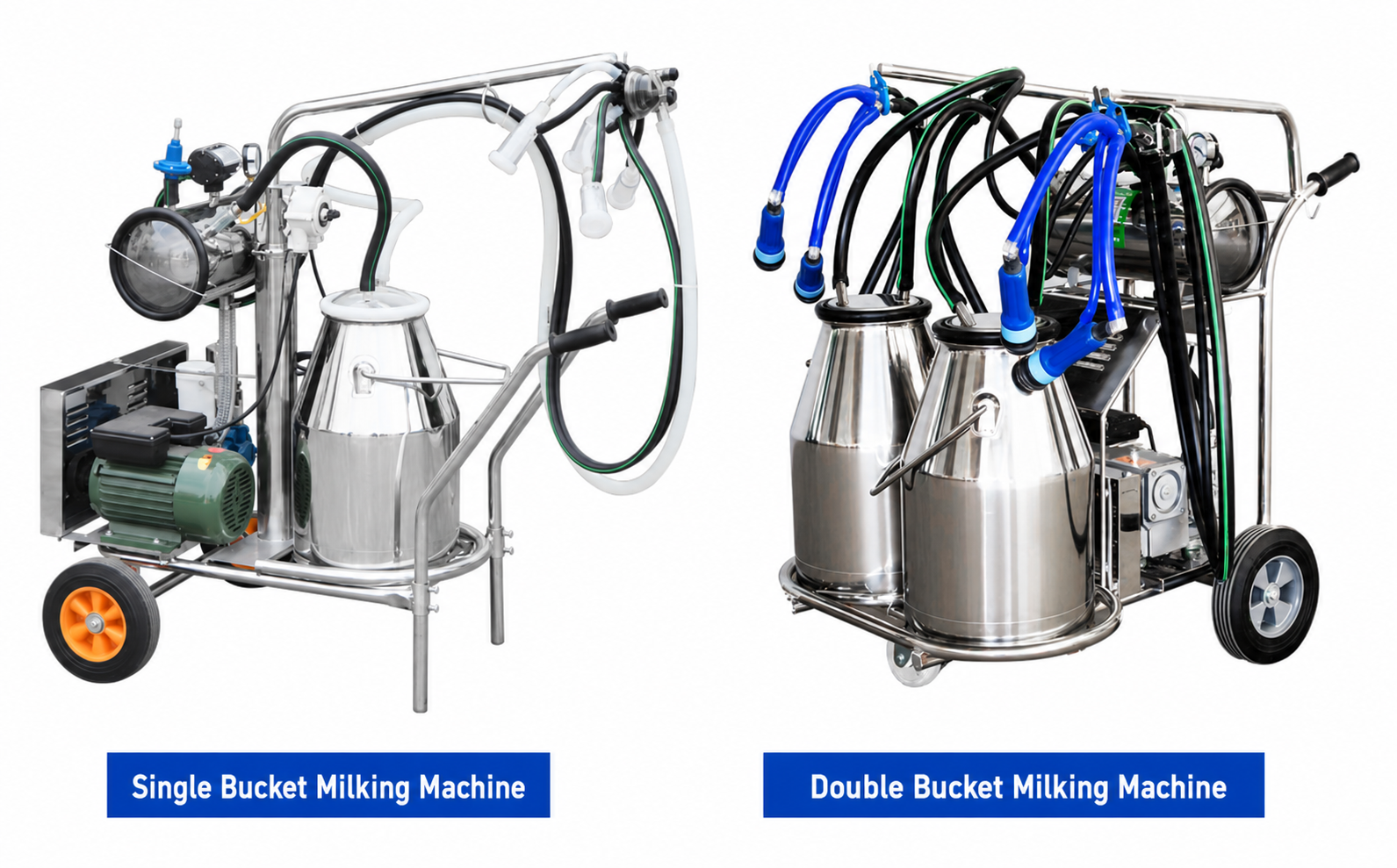
Portable Milking Machines
Vacuum Pump Portable Milking Machine for Cow Goat Sheep and Camel Farms
- Vacuum Pump ModelXD025
- Motor Power0.75–1.1 kW
Ask about equipment for this job
Send dimensions, quantity, photos or drawings. We reply within 24 hours on working days with a quotation or questions.