Why Hoof Trimming Frequency Isn’t One‑Size‑Fits‑All
A single trimming schedule cannot work for every horse because hoof growth and wear vary. Genetics, age, nutrition, and season all influence how fast the hoof capsule grows. A young, growing horse may put on more horn than a mature pasture horse. Horses on high‑quality feed often grow hoof faster. At the same time, external forces like exercise and ground surface wear the hoof down. When growth outpaces wear, the hoof needs trimming. When wear is excessive, the farrier may need to protect remaining horn. The balance between growth and wear is what drives trimming frequency.
How Hoof Growth Rate Affects Trimming Schedules
The average horse hoof grows about 6–10 mm per month, but that number changes. Warm months often speed up growth, while cold winters slow it. Young horses, broodmares, and horses on lush pasture tend to grow hoof faster. According to the Horse Owner’s Veterinary Handbook (2nd Edition), seasonal growth fluctuations mean many domesticated horses need more frequent trimming in spring and summer. When growth is consistently rapid, trimming every 4–5 weeks may be necessary. Slower growth periods might extend the interval to 8 weeks or longer. The key is measuring how quickly the hoof wall lengthens past the sole plane.
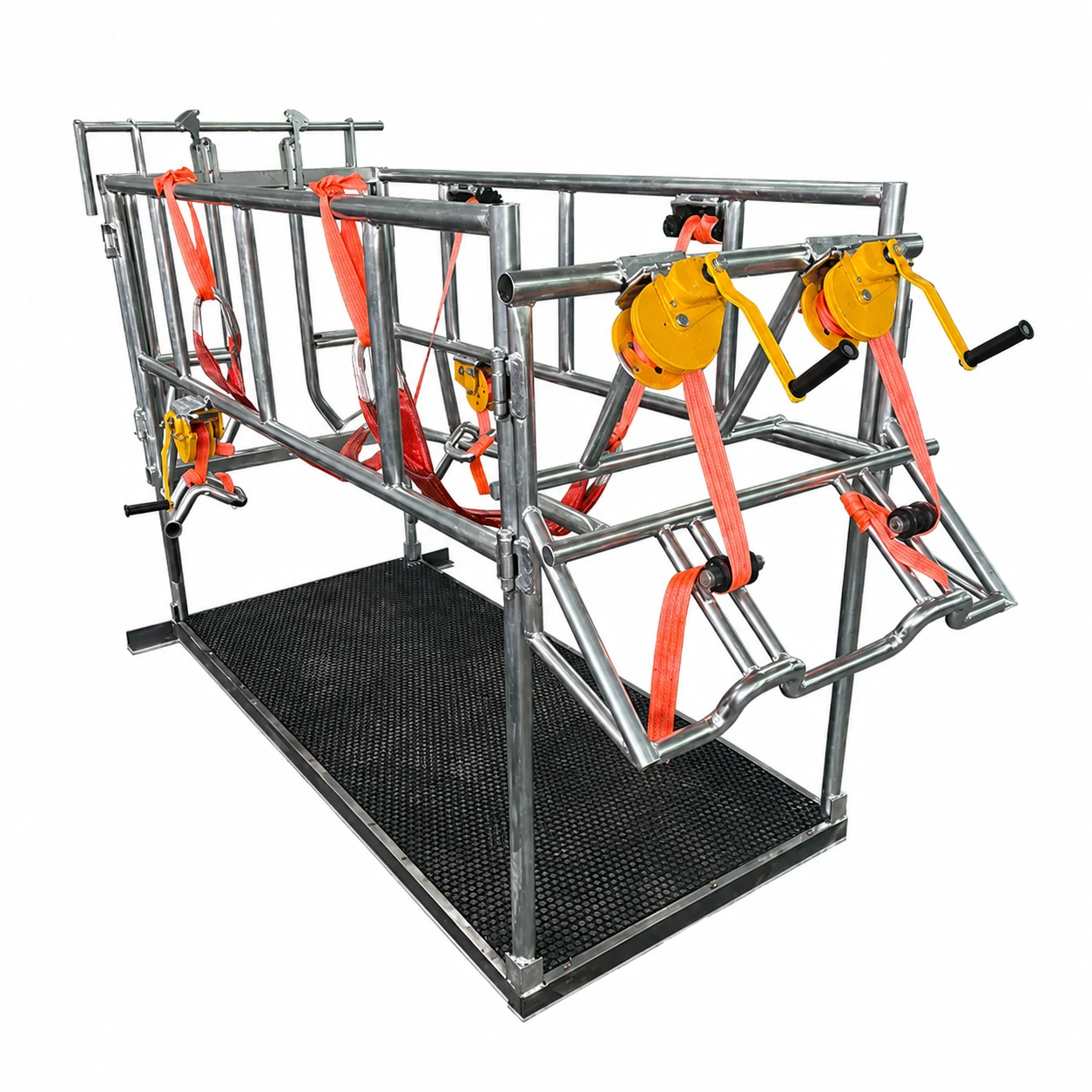
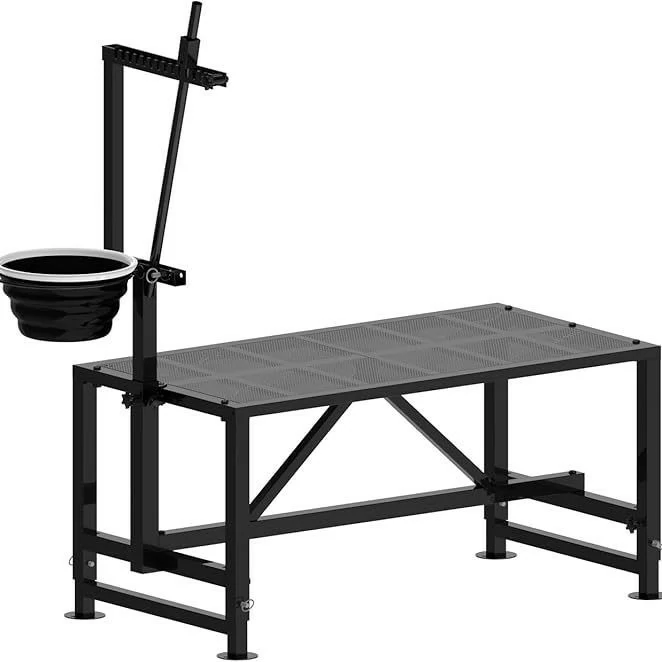
Our hoof trimming chute product page lists the standard dimensions, materials and options.
Workload and Exercise: More Movement, Different Wear
A horse in light paddock rest wears hooves very differently from one in active training. More movement on firmer footing increases natural wear, sometimes reducing the need for trimming. However, ridden horses often wear unevenly — the toe might break off while the heel grows long. This imbalance still requires regular farrier visits. Performance horses, especially those jumping or doing hard stops, put extra stress on the hoof capsule. According to The Principles of Farriery, working horses should be evaluated every 4–5 weeks, even if wear looks adequate, to maintain angles and balance. In contrast, a retired horse on soft ground may need only minimal trimming if horn quality remains good.
Ground Conditions: Soft, Hard, and Wet Surfaces
The surface a horse lives on greatly influences hoof wear and moisture balance. Hard, dry, and rocky ground can break away excess hoof wall but may also cause cracks and chipping. Soft, grassy pastures often lead to long toes and low heels because of little natural wear. Deep sand or muddy paddocks create uneven pressure and can distort hoof shape. Wet conditions soften the horn, making it more prone to splay and infection. A horse kept on a combination of surfaces — for example, stalled part‑time with dry hard footing and turned out on pasture — may need more frequent attention to keep the hoof wall in check. Observing wear patterns and sole thickness helps determine whether ground conditions are shortening or lengthening the needed trimming interval.
Dry vs. Wet Seasons: Moisture Impact on Hoof Health
Moisture swings cause the hoof to expand and contract, which can lead to cracks and white line disease. Extended wet periods soften the hoof, making trimming necessary to remove overgrown, weak horn. In dry, arid climates, hooves become hard and brittle, sometimes requiring less frequent trimming but more attention to moisture retention and crack prevention. A horse moving from wet winter paddocks to dry summer hard ground may need a trim at the transition to prevent sudden breakage. Farriers often adjust schedules around seasonal changes because horn quality and growth rate shift so much.
The Role of Farrier Care and Professional Assessment
A farrier does not just trim; they evaluate the whole hoof and leg. Regular professional assessment catches imbalances before they cause lameness. The farrier can observe how quickly the horse grows hoof, how it wears, and what interval maintains optimal balance. According to University of Minnesota Extension guidance on equine hoof care, farriers typically recommend starting with a 6‑week schedule and then adjusting based on individual hoof condition and season. The farrier may suggest shorter cycles for youngstock or horses with corrective needs, and longer cycles for barefoot horses on self‑maintaining terrain. Trusting a farrier’s judgment is central to a good trimming program.
What to ask at each farrier visit
A farrier visit should be a two-way conversation, not a drop-off service. Managers gain more from each visit by preparing and asking specific questions.
Farrier coordination checklist for managers:
- Review which horses are due and note any behavioral or soundness changes.
- Walk the farrier through recent observations from your hoof log.
- Ask about trim strategy: “What balance issues are you addressing today?”
- Request a quick after-trim evaluation – stand the horse on level ground and check stance.
- Keep digital photos (side view, front view, sole) for before-and-after comparison.
- Discuss next appointment timing before the farrier leaves.
Observing the farrier’s work also helps managers understand normal hoof shape versus distortion. If the same farrier trims all horses, ask them to point out herd-wide patterns—for example, if many horses show flared walls on the outside hind feet, it may point to a nutrition or footing issue.
Typical Trimming Intervals by Horse Type and Use
| Horse Type / Use | Typical Trimming Interval | Key Factor |
|---|---|---|
| Performance / Competition (ridden or driven regularly) | 4–5 weeks | Maintain angles, reduce uneven wear |
| Pleasure / Light Use (trail riding, casual) | 6–8 weeks | Balance growth with moderate wear |
| Pasture / Retired (minimal work, soft ground) | 8–10 weeks (or longer if self‑maintaining) | Monitor for long toes, low heels |
| Youngstock / Growing Horses | 4–6 weeks | Rapid growth, developmental balance |
| Horses with Corrective / Therapeutic Needs | 3–4 weeks (as prescribed) | Maintain specific angles and support |
| Barefoot Horse on Abrasive Terrain | Variable; may need minimal trimming | Natural wear may suffice, but check for balance |
Note: These intervals are starting points. Each horse should be assessed individually, and any lameness or overgrowth signs mean trimming sooner.
Signs That a Horse Needs Trimming Sooner
Waiting too long between trims causes problems. Watch for these signs:
- Hoof wall visibly extending past the sole, curling upward
- Flared or splayed hooves
- Cracks or chips starting at ground level
- Uneven or twisted hoof wear
- Loss of hoof-pastern axis alignment
- Horse appears trippy or short-strided
- White line separation or thrush
Daily Hoof Care Between Trims
Even if you never pick up a rasp, managers own the daily environment and scheduling. Routine hoof care includes:
- Clean, dry footing – Reduce prolonged standing in mud, manure, or urine.
- Daily hoof picking – Remove packed debris that can harbor thrush and stone bruises.
- Scheduled farrier visits – Not a “when they look long” decision.
- Nutritional support – Biotin, zinc, and balanced minerals contribute to hoof horn quality.
- Consistent exercise – Movement stimulates blood flow to hoof tissues.
Managers should also keep a written hoof observation log. A quick note after cleaning—anything unusual about wall cracks, sole texture, or sensitivity—helps farriers make informed decisions.
Common Mistakes When Scheduling Hoof Trimming
Setting a rigid calendar schedule without observing the horse is a common error. Other mistakes include:
- Trimming too aggressively, removing too much sole or frog
- Ignoring seasonal growth changes
- Allowing long intervals for horses with fast hoof growth
- Treating all horses on the property the same
- Not considering changes in ground or workload
- Leaving wet, soft hooves too long, inviting cracks and infection
- Skipping farrier visits because the horse is barefoot and “looks okay”
Final Takeaway
There is no single correct horse hoof trimming frequency. Instead, build a schedule around growth rate, workload, ground surfaces, and moisture levels. An easy‑keeping pasture horse on soft ground needs fewer trims than a heavily worked performance horse. The farrier is your best partner in deciding what interval keeps the hoof balanced and healthy. Check hooves regularly between visits, and move the appointment up if you see overgrowth, chipping, or shape changes. By understanding the factors that drive trim timing, you can protect your horse’s soundness year‑round.
References
- University of Minnesota Extension dairy lameness prevention guide
- University of Minnesota Extension horse hoof health guide
- Penn State Extension animal handling tips
Frequently Asked Questions
How often do horse hooves need trimming?
Frequency depends on growth rate, workload, season, ground conditions, and hoof health. Many horses need routine trimming every few weeks, but the exact interval should match the individual animal.
How do workload and ground conditions affect trimming?
Hard abrasive ground may wear hooves faster, while soft wet ground may allow overgrowth and weakness. Workload, turnout, and moisture all change hoof balance over time.
What signs show a horse hoof needs attention?
Long toes, flares, cracks, uneven wear, loose shoes, stumbling, soreness, or changes in gait all suggest hoof care should be reviewed by a qualified hoof-care professional.
Can farm managers trim horse hooves without training?
Routine care should be handled by trained people. Poor trimming can cause imbalance, lameness, cracks, and long-term movement problems.
Why is recordkeeping useful for horse hoof care?
Records help track trimming intervals, hoof changes, lameness events, terrain, and workload. They make it easier to adjust care before small problems become chronic.
How should farm managers use horse hoof trimming frequency guidelines on a real farm?
Horse hoof trimming frequency guidelines should be used as a practical reference, not a fixed rule for every barn or herd. Farm managers still need to consider animal size, workload, ground conditions, season, existing health records, and whether the current routine is causing repeat problems.