Main Types and Practical Farm Uses
When building pens, alleys, or holding areas, one size of cattle fence panel does not fit every farm. Panels come in different weights, gauges, heights, and connection styles, and the right choice depends on the animals you handle, the pressure they put on the panels, and whether you need a setup that moves or stays permanent.
This article breaks down the practical types of cattle fence panels used on livestock farms: light-duty, heavy-duty, feedlot and corral panels, gate-compatible panels, and mixed-livestock panels. Each type has a place, but none of them is the universal best choice. Understanding when to use a particular panel helps avoid weak points in your layout and keeps cattle, crew, and equipment safer.
Quick Reference: Main Types of Cattle Fence Panels
Before diving into details, here is a high-level look at the common categories. The table compares typical use, recommended scenarios, and main features.
| Panel Type | Typical Use | Recommended For | Key Features |
|---|---|---|---|
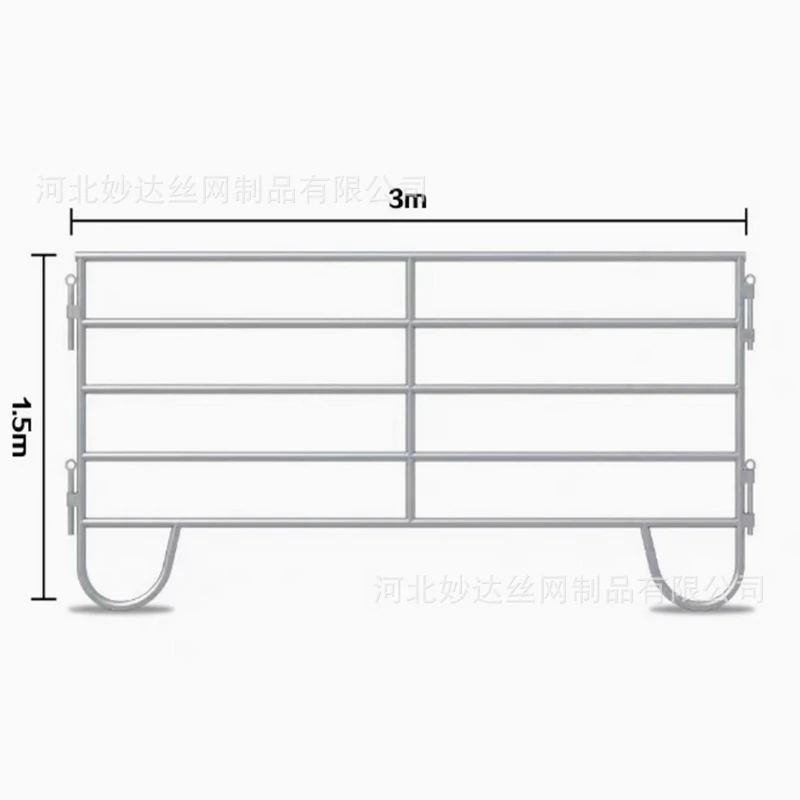
| Light-Duty Cattle Panels | Temporary pens, calf separation, low-pressure holding | Small calm groups, flexible layouts, frequent moving | Easier to reposition, limited weight capacity, lower initial cost |
| Heavy-Duty Cattle Panels | Stronger containment, moderate pressure areas | Mature cattle, gateways, feed access points | Thicker gauge, reinforced frame, heavier to handle, withstands more pushing |
| Feedlot / Corral Panels | High-pressure handling, crowding areas, working chutes | Sorting, loading, vaccination, routine vet work | Heavy-gauge steel, solid connections, often pinned or bolted together |
| Gate-Compatible Panels | Entries, exits, alleyways where panels must integrate with gates | Pasture rotation, lane systems, handling facilities | Built-in gate hangers or receivers, precise fit for smooth animal flow |
| Mixed Livestock Panels | Farms with multiple species | Cattle, sheep, goats, or horses sharing space | Adjustable spacing, lower bottom gaps, safe for smaller animals |
This overview should give you a starting point. The following sections explain each type in more detail.
Our portable horse panels product page lists the standard dimensions, materials and options.
Light-Duty Cattle Fence Panels: Best for Low-Pressure Areas
Light-duty cattle fence panels are built for situations where cattle are calm and the panels will not face heavy pushing or crowding. They are often used in temporary pens, calf separation areas, low-traffic pasture moves, or short-term holding spaces. Because they are lighter, two people can usually move them without machinery.
When they work well:
- Short-term sorting of a few animals
- Calf or youngstock pens
- Observation areas with minimal pressure
- Farm layouts that change frequently
Do not expect light-duty panels to withstand the impact of excited cattle or to replace a proper crowding alley. According to Beef Cattle Science (Ensminger, 7th Edition), facilities should match animal size and behavior, and underestimating pressure is a common design failure. If your setup will see pushing, bumping, or flight‑zone pressure, step up to a heavier panel type.
Heavy-Duty Cattle Fence Panels: When Strength Matters
Heavy-duty cattle fence panels use a thicker gauge steel and stronger frame connections. They are meant for everyday handling of mature cattle, feedlot perimeters, and areas where animals lean or push. This type of panel also handles gateways and high‑traffic lanes more reliably than a light-duty design.
Common farm uses:
- Permanent or semi-permanent holding pens
- Feeding areas where cattle crowd at the bunk
- Main alleyways from pasture to handling facility
- Any setup where a lightweight panel would bend or shift
Keep in mind that heavy‑duty still does not mean indestructible. A 1,200‑lb animal hitting a panel at full speed can damage any portable equipment. Design layout for slow, low‑stress cattle movement. USDA NRCS guidance notes that fencing design should consider both animal pressure and handler safety; this applies equally to panel‑based enclosures.
Feedlot and Corral Panels: Built for Handling Zones
Feedlot and corral panels are the next step up from general heavy‑duty panels. They are engineered for the highest contact areas on a cattle operation: crowding pens, tubs, working chutes, and loading ramps. These panels typically feature heavier gauge tubing, close vertical spacing, reinforced joints, and robust connector systems (pin, bolt, or chain).
They are not just “strong panels”; they are part of a working system. According to Beef Cattle Science (Ensminger, 7th Edition), the working chute, crowding pen, and related components must be designed as one unit to handle cattle safely and efficiently. Corral panels help create that controlled path without permanent construction.
Use feedlot‑grade panels when:
- Sorting and drafting cattle under pressure
- Vaccination, pregnancy checking, or ear tagging
- Loading onto trucks or trailers
- Any routine veterinary work where cattle are close‑confined
Cost and weight are higher, but so is safety. For jobs where a failed panel could mean a loose animal or injured handler, corral panels are the right choice.
Gate-Compatible Panels: Creating Controlled Entry and Exit Points
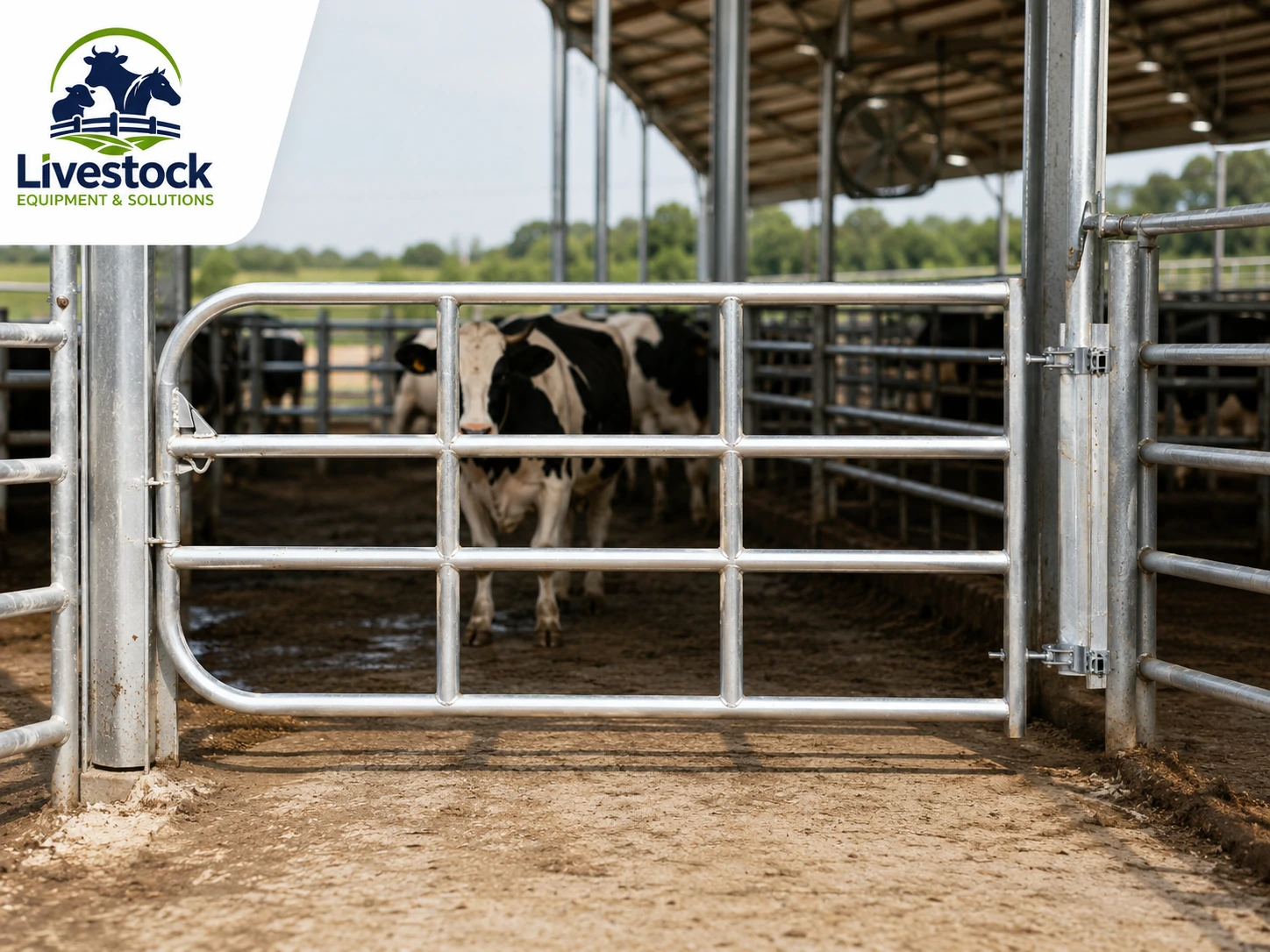
Gate-compatible cattle fence panels are designed to integrate with standard corral or farm gates. They may feature built‑in hinge receivers, latch keepers, or adjustable gate openings. Without this compatibility, you end up with makeshift gate setups that can sag, misalign, or become a safety hazard.
When gate-compatible panels make sense:
- Pasture rotation systems where gates must open quickly
- Lane systems that guide cattle from one pen to another
- Permanent corral entrances that need a secure closure
- Any layout where you want to avoid tying panels together with improvised connectors
Mississippi State University Extension points out that livestock fencing systems must consider both fixed and temporary configurations; gate integrations often determine how smoothly animals move through a setup. A gate that hangs poorly or sticks can create a bottleneck and excite the herd, so planning the gate panel connection in advance prevents trouble.
Mixed Livestock Panels: One Setup for Different Animals
On many farms, cattle share space with sheep, goats, or horses. A standard cattle panel with wide spacing may allow smaller animals to escape or get stuck. Mixed livestock panels feature closer vertical bars, lower bottom gaps, and sometimes adjustable heights to safely contain multiple species.
Where they fit:
- Multi‑species rotational grazing
- Holding pens that may hold cattle one day and sheep the next
- Farm layouts where young calves coexist with adult cattle
Be cautious: “mixed” does not automatically mean the panel is strong enough for cattle. Check the gauge and frame specifications. A mixed livestock panel that keeps in goats may not hold up to a heavy‑contact beef cow. Match the panel’s construction to the most demanding animal you expect to contain.
Temporary vs Permanent Panel Layouts
A temporary cattle panel fence works for rotation grazing, seasonal pens and short holding periods. A permanent panel fence fits working corrals, feedlots and boundary lines where the layout rarely changes. Many farms use both.
Here is a simple decision guide:
- If you will move the fence within a year, lean toward portable or light-duty panels with secure but releasable connections.
- If the fence must handle daily cattle pressure for years, invest in heavy-duty, pipe-post or feedlot panel construction.
- If the fence line might be altered every few years, a wood post and panel setup offers a middle ground.
Extension specialists often point out that temporary fences are cost-effective but require more management, while permanent panels reduce daily labor but commit the farm to a fixed design.
Layout by farm size
Cattle panel fencing works differently on a small family farm than on a large commercial operation. Consider these layout differences:
- Small farms – Fewer animals often mean less crowding pressure. Light-duty panels may be enough, and you can easily reconfigure pens as needed. Focus on creating simple, flexible handling areas.
- Large ranches or feedlots – More animals and heavier use demand heavy-duty or corral panels. Invest in sturdy gate-compatible panels so you can build alleys and sorting pens that hold up daily.
- Rotational grazing setups – Portable panels are invaluable for dividing pastures quickly. You may need a mix of light-duty panels for calm areas and a few heavy-duty panels near the handling facility.
- Multi-species farms – If you keep sheep or goats along with cattle, choose panels with smaller spacing to prevent smaller animals from slipping through.
Material and Construction Factors That Affect Panel Choice
Beyond panel category, the material and build quality directly influence performance and lifespan. Key factors to compare:
- Gauge: Lower gauge numbers mean thicker steel. Light‑duty panels may be 14‑gauge, heavy‑duty 11‑10 gauge, and feedlot panels 10‑gauge or heavier.
- Galvanized finish: Galvanized cattle fence panels resist rust and corrosion, especially important in humid or rainy regions. Bare steel panels may cost less initially but require maintenance.
- Frame style: Round tube, square tube, or angle‑iron frames each have trade‑offs in stiffness and weight. Square tube often resists bending better.
- Weld quality: Poor welds can crack under repeated impact. Look for consistent, solid welds at every cross‑junction.
- Connector system: Pins, bolts, chains, or drop‑in brackets determine how securely panels join. Loose connectors are a primary failure point.
Farm layout and climate also matter. Panels used outdoors year‑round in wet areas should have robust galvanization. According to Beef Cattle Science (Ensminger, 7th Edition), material durability is part of facility longevity, not just an optional upgrade.
Galvanized vs non-galvanized panels
Surface treatment plays a major role in how long your panels last, especially outdoors.
- Galvanized panels – A zinc coating protects the steel from rust. They are the standard for most farm use, especially in humid or wet climates. Look for a consistent, shiny finish as a sign of good coverage.
- Non-galvanized (bare steel) panels – Lower initial cost, but they will rust quickly unless painted regularly. They may still work for short-term indoor use or in arid regions where moisture is rare.
- Painted panels – Some manufacturers apply a coat of paint over galvanization or bare steel for added protection, but paint alone does not prevent rust as well as galvanization.
Penn State Extension notes that corrosion resistance is critical for outdoor livestock equipment because exposure to manure, urine, and weather accelerates rust. For most farms, galvanized cattle panel fencing is the practical long-term choice.
Safety and Maintenance Checks
Keep your cattle panel fencing effective and safe with periodic checks:
- Inspect all welds for cracks, especially at rail-to-frame joints.
- Check connectors and pins for wear or bending; replace loose hardware immediately.
- Look for sharp edges or broken wires that could injure animals or handlers.
- Clean off excessive manure or mud buildup that can hide damage and cause corrosion.
- Ensure gates latch securely and swing freely.
- Verify that panels remain upright and stable; add extra stakes or bases if leaning occurs.
- Replace any panel that shows significant bending or structural weakness.
Regular attention to these details extends the life of your fencing and keeps your herd safe.
Common Mistakes When Matching Panels to Farm Tasks
Even experienced farmers can misjudge panel selection. Here are the mistakes we see most often:
- Using light‑duty panels for mature cattle pressure: A calm group can quickly become stressed during sorting. If animals push, light panels buckle.
- Ignoring connector strength: The panel may be heavy‑gauge, but if the connecting hardware is light wire, the whole line fails.
- Creating blind alleys or dead ends: Cattle balk when they cannot see an escape route. A strong panel alone won’t help if the layout causes panic.
- Skipping gate compatibility: A handmade gate hung on a panel not designed for it can sag and spook cattle during movement.
- Choosing by price alone: The cheapest panel often means lighter gauge, weaker welds, or poor galvanizing. Matching panel to task saves money in the long run.
- Overlooking ground conditions: Soft or uneven ground reduces panel stability. A strong panel sitting in mud will lean and fail.
Avoid these errors by first listing all tasks the panel must handle, then selecting the type and material that meets the most demanding job.
Final Takeaway
There is no single best cattle fence panel, only the right panel for a specific farm task. Light‑duty panels work for low‑pressure temporary pens, heavy‑duty panels handle daily mature‑cattle contact, feedlot‑grade panels are required in high‑pressure working areas, gate‑compatible panels keep entry points safe, and mixed‑livestock panels suit multi‑species operations.
Before choosing, write down the most demanding animals and the highest‑pressure situations the panel will face. Compare gauge, frame style, weld quality, galvanization, connector strength, and compatibility with gates or other equipment. A panel that matches the real farm task will last longer, perform safer, and reduce headaches during everyday livestock chores.
Frequently Asked Questions
What are the main types of cattle fence panels?
The main types include light-duty panels for temporary low-pressure use, heavy-duty panels for mature cattle, feedlot/corral panels for high-pressure handling, gate-compatible panels for entries and exits, and mixed livestock panels for multi-species farms.
Which panel gauge is right for beef cattle?
For mature beef cattle that may push or lean, 10- or 11-gauge panels are typical in heavy-duty and feedlot models. Light-duty panels using 14-gauge can work for calm calves or temporary pens but will bend under heavier pressure.
Can I use cattle fence panels for goats or sheep?
Standard cattle panels often have bar spacing too wide for small livestock. Mixed livestock panels with closer vertical spacing and lower bottom gaps are designed to contain goats, sheep, and calves safely while still handling cattle.
Are galvanized cattle fence panels worth the extra cost?
In most climates, yes. Galvanizing protects against rust and extends panel life, especially in humid, rainy, or coastal areas. Bare steel panels may require painting or rust treatment to last outdoors.
Do I need special connectors for cattle fence panels?
Connector strength is critical. Pins, bolts, or drop-in brackets designed for that panel type provide secure joins. Light chain or wire can fail under pressure, so match the connector to the heaviest expected animal load.
Can cattle fence panels be used for permanent fencing?
Cattle panels are primarily designed for portable or semi-permanent pens. For permanent perimeter fencing, traditional high-tensile or woven-wire fence is usually more durable and cost-effective over decades. Panels can supplement permanent fences in high-impact zones.
What is a common mistake when buying cattle fence panels?
A frequent error is choosing based only on price or panel height without considering gauge, weld quality, and connector strength. Light-duty panels used in a working corral will fail, creating a safety risk and repair cost.
What height cattle panel do I need?
Height depends on the breed and jumping ability. Mature cattle may require 5‑6 ft panels to prevent escape, while 4 ft panels might suffice for docile stock or calves. Taller panels are heavier and harder to move, so choose based on risk.
How should I connect cattle panels safely?
Use secure connectors like drop-pin locks or heavy chains with no slack. Avoid open hooks or loose wire that can create gaps. Inspect connections daily when in use, especially with excitable animals.
Do I need to anchor cattle panel fencing?
In most cases, yes. Panels can tip if cattle push hard or if the ground is uneven. Use sturdy stakes or bases to anchor them, especially in high-traffic areas or soft ground.
Can I use cattle panel fencing for bulls?
Yes, but you must use heavy-duty or corral panels designed for high-pressure situations. Bulls require stronger welds, thicker tubing, and secure connections. Light-duty panels are not suitable for bulls.
References
- University of Minnesota Extension guide to Farmbytes Fencing System Design
- Oklahoma State Extension guide to Corral and Working Facilities for Beef Cattle
- Oklahoma State Extension PDF on Chapter 11 Fencing
- Oklahoma State Extension guide to Minimizing Impacts to Wildlife from Livestock Infrastructure